






































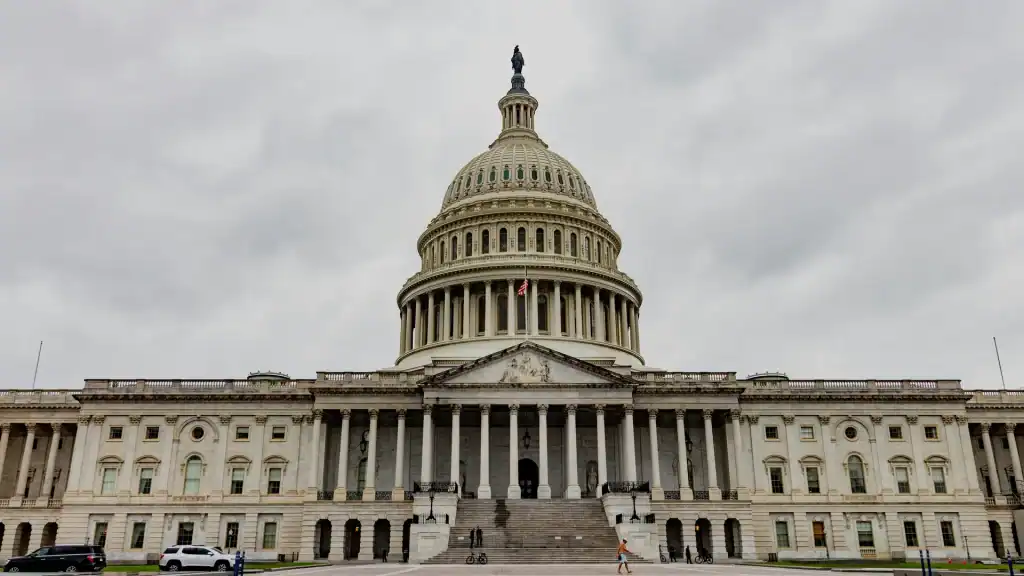
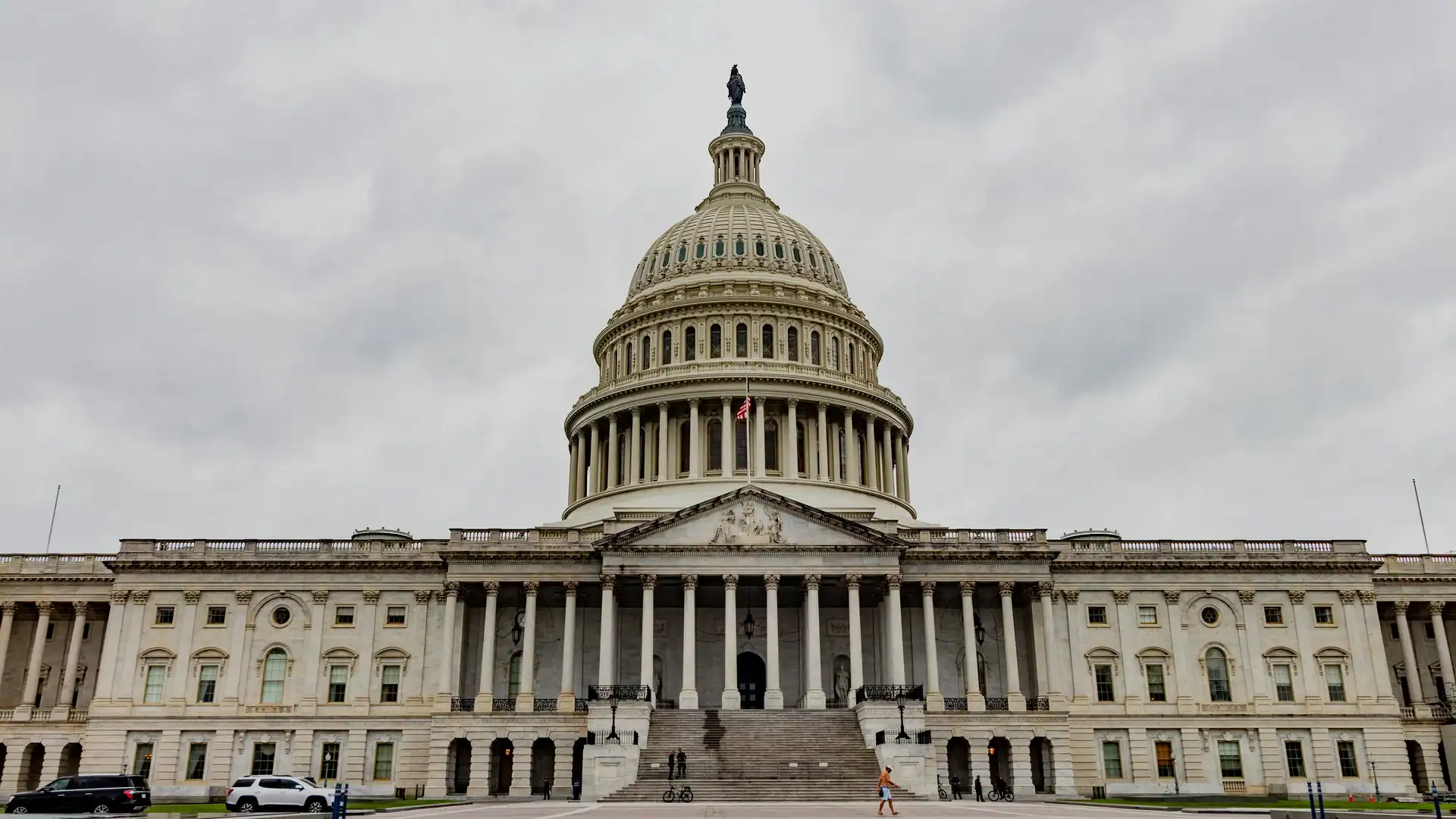
The SEC has signaled a major shift in digital asset regulation, outlining a new framework designed to clarify the rules for cryptocurrencies, exchanges, and token issuers. The framework aims to distinguish between securities, commodities, and utility tokens, resolving ambiguity that has plagued U.S. crypto markets for over a decade.
This breakdown covers what’s in the new framework, how it affects exchanges and investors, and what the timeline looks like for implementation.
Key Takeaways
- The SEC has signaled a new digital asset regulatory framework to clarify crypto oversight.
- The framework aims to distinguish between securities, commodities, and utility tokens clearly.
- Exchanges, token issuers, and DeFi protocols will face updated registration requirements.
- Clear rules could unlock institutional capital previously sidelined by regulatory uncertainty.
- Industry reaction is cautiously optimistic but concerned about compliance burdens for smaller projects.
Background: Why This Framework Matters
For over a decade, U.S. crypto markets operated under regulatory uncertainty. The SEC pursued enforcement-first policies against tokens, exchanges, and protocols without providing clear rules for how to comply. This approach drove innovation offshore and discouraged institutional participation.
A formal framework addresses several key issues:
- Which tokens qualify as securities and which don’t
- How exchanges should register and operate
- Custody rules for institutional holders
- Disclosure requirements for token issuers
- Treatment of DeFi protocols and decentralized organizations
Key Elements of the New Framework
Token Classification Guidance
The framework provides specific criteria for classifying digital assets. Tokens with significant centralized control, profit expectations from issuer efforts, and marketing campaigns targeting investors typically qualify as securities. More decentralized assets with utility-driven demand may fall outside securities regulations.
Exchange Registration Requirements
Crypto exchanges handling securities will need to register as Alternative Trading Systems (ATS) or broker-dealers. This brings them under established SEC oversight including capital requirements, trade reporting, and market surveillance.
💡 Tip:Registered exchanges gain legitimacy and access to institutional capital that cannot trade on unregistered platforms. Expect winners and losers to emerge as compliance costs rise.
Custody Standards
The framework establishes qualified custodian standards for digital assets. Institutions holding crypto must use custodians meeting specific capital, security, and audit requirements, similar to traditional finance.
DeFi Treatment
DeFi protocols face complex questions. Truly decentralized protocols with no identifiable operator may receive favorable treatment, while those with active governance or profit-taking mechanisms may face securities-level oversight.
How the Framework Affects Different Market Participants
| Participant | Impact | Key Considerations |
|---|---|---|
| Retail Investors | More protections | Fewer exchange choices, better disclosures |
| Institutional Investors | Easier participation | Clear custody rules unlock allocations |
| Crypto Exchanges | Higher compliance costs | Registration required for securities trading |
| Token Issuers | Clearer rules | Disclosure requirements, registration paths |
| DeFi Protocols | Uncertain treatment | Decentralization tests will be critical |
Industry Reaction: Cautious Optimism
Industry leaders have generally welcomed the framework as an improvement over enforcement-by-litigation. Clear rules let companies comply confidently rather than guess at obligations.
However, concerns remain:
- Compliance costs:Smaller projects may struggle with registration expenses
- Innovation risks:Overly strict rules could push innovation to friendlier jurisdictions
- DeFi ambiguity:The decentralization test remains subjective
- Transition period:Existing protocols must adapt to new rules
⚠️ Warning:The framework is still being finalized. Specific provisions could change significantly during the comment period, and full implementation will take months to years.
What This Means for Investors
For most crypto investors, the framework is net positive in the long term. Clearer rules reduce the risk of sudden enforcement actions that wipe out project values, improve institutional participation, and create a more stable market structure.
Short-term effects may include:
- Token price volatilityas markets price in new compliance costs
- Delistingson U.S. exchanges of tokens deemed securities
- Consolidationamong exchanges and service providers
- Increased institutional flowsinto clearly compliant assets
📌 Note:Regulatory developments are fluid. Always monitor official SEC announcements and consult qualified legal counsel for guidance specific to your situation.
Timeline and Next Steps
Regulatory frameworks move slowly. After the proposal is published, expect a public comment period followed by revisions and phased implementation. Major provisions could take 12-24 months to fully activate, though immediate guidance letters may shift compliance expectations sooner.
For investors, the practical approach is to focus on tokens and platforms with clear compliance paths, stay informed about regulatory developments, and maintain diversification across the crypto ecosystem.
















been through the Howey test debates since 2017 and every ‘clear framework’ announcement gets watered down by the time it hits the Federal Register. believe it when the final rule drops, not when the chair gives a speech.
the utility token carve out is the part i want to see actually defined. does staking yield push something back into security territory, or are they drawing the line at governance rights? the lead hints at three buckets but the real fight is the edge cases.
if this actually lands, ETH spot flows get a lot less awkward overnight.