








































What to Know
- Coinbase AI agentsmodeled on co-founderFred Ehrsamand ex-CTO Balaji Srinivasan are now live inside staff Slack and email channels
- CEO Brian Armstrong announced the pilot onApril 18, 2026and hinted Coinbase will eventually havemore agents than human employees
- The bots plug intoAgentic Walletslaunched in February, and Coinbase’sx402autonomous-payments protocol
- Engineer Travis Bloom said the Balaji agent ‘really helped crystallize the vision’ during a brainstorm
Coinbase AI agents built to mimic two of the company’s most quotable alumni are now sitting inside employee Slack channels, and CEO Brian Armstrong says this is only the start. The exchange confirmed Saturday that it has deployed two bots, one modeled on co-founderFred Ehrsamthe other on former CTO Balaji Srinivasan, that chime into workplace chats with feedback, strategy tweaks and the occasional provocation. Armstrong framed both men as ‘legendary former Coinbase employees.’ He also suggested, only half-joking, that synthetic staffers will eventually outnumber the real ones.
Why Clone Fred and Balaji, of All People?
Because they left a mark. Ehrsam co-founded Coinbase with Armstrong in 2012 before launching crypto venture firm Paradigm. Srinivasan ran engineering, then left to become one of tech’s loudest optimists. Resurrecting their personalities as Slack bots is less gimmick than bet, Armstrong wants their instincts in the room.
TheFred Ehrsamagent is pitched as a strategic executive assistant. It helps staff ‘refine documents, strategies, and concepts,’ according to Armstrong’s Saturday post. The Balaji agent has a different job description: ‘spark innovation and new perspectives.’ In practice that probably means pushing contrarian takes into product threads and nudging engineers toward bigger swings. Whether a language model trained on someone’s public output can actually channel their judgment is the open question, and Coinbase is about to test it in front of thousands of employees.
Coinbase is testing AI agents that show up in Slack and email at work, just like any human teammate. To start we’re shipping two which are modeled after legendary former Coinbase employees.

How the Agents Actually Work Inside Coinbase
The bots live where the work happens. Instead of a separate dashboard, the Fred and Balaji agents surface inside email threads and Slack channels the same way a human teammate would, tagged in, responding in-thread, weighing in on docs. Coinbase engineer Travis Bloom reported talking through a new idea with the Balaji agent and said it ‘really helped crystallize the vision.’ One data point is not a trend, but it is the kind of testimonial Armstrong needs to sell the concept internally.
Armstrong said the next step is letting any employee spin up their own agent colleague. Those future agents will probably not be ‘digital twins’ of specific humans, he added, meaning the Fred-and-Balaji cosplay is a marketing hook, not the permanent product. The real product is a self-serve factory for bespoke AI coworkers. If that lands, the org chart atCoinbasestarts looking less like a company and more like a fleet.
The Agentic Wallets Connection Nobody Is Talking About
Here is where the story gets more interesting than a Slack bot. In February 2026, Coinbase rolled outAgentic Walletsa purpose-built product that lets AI systems hold funds, execute trades, and push onchain transactions without a human clicking confirm. Erik Reppel, head of engineering on the product, described it bluntly: ‘It’s not an SDK, it’s not a library, it’s a purpose-built wallet to work with an agent as quickly as possible.’ Pair that with the new executive agents and the picture changes. These bots will not just suggest strategy. They will be positioned to spend.
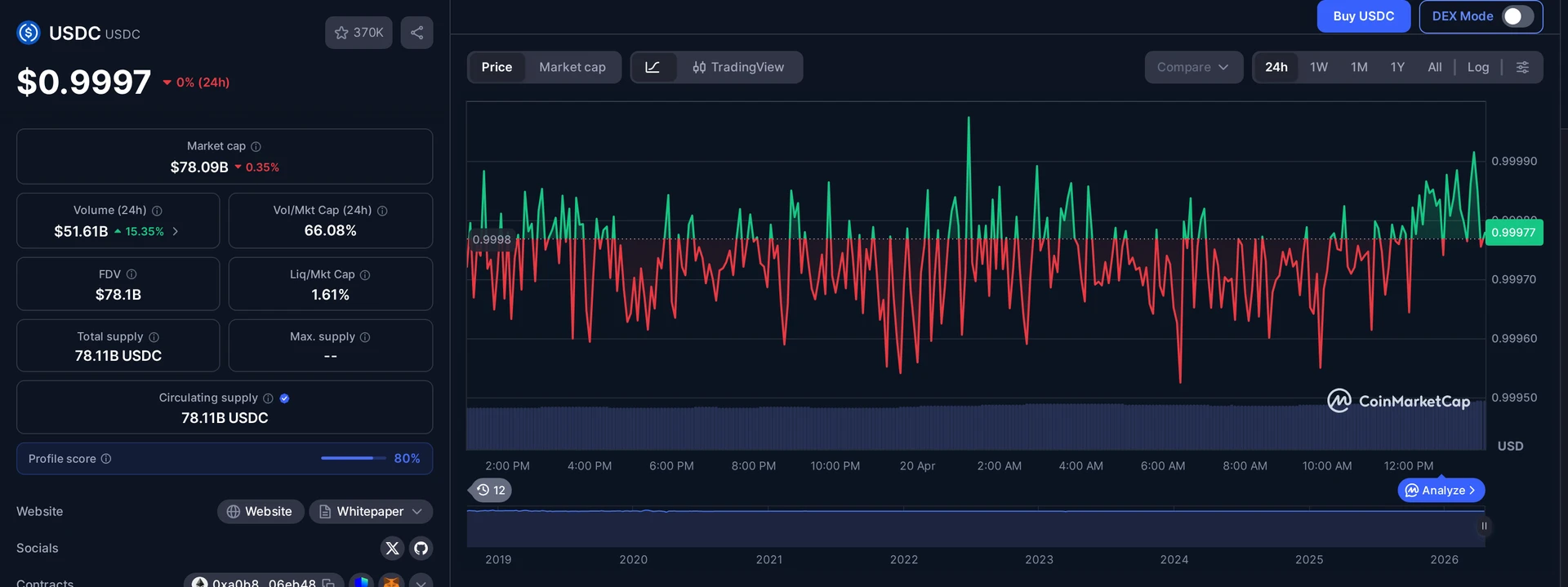
The infrastructure stack beneath all of this is thex402protocol, Coinbase’s framework for autonomous crypto payments moving between AI agents without human intervention. The company also launched x402 Bazaar last September, a stablecoin-powered payments environment designed from day one for machine-to-machine commerce. Add it up and Armstrong is not building a productivity tool. He is building the rails for an economy where software agents transact with each other usingUSDCand Coinbase sits in the middle taking a cut.
It’s not an SDK, it’s not a library, it’s a purpose-built wallet to work with an agent as quickly as possible.
More Agents Than Humans, Marketing Line or Real Plan?
Armstrong floated the idea casually: ‘I suspect we will have more agents than human employees at some point soon.’ Read it twice. That is a public company CEO telegraphing, on social media, that a sizable chunk of future hiring will not be hiring at all. Coinbase already runs machine-learning systems that predict user traffic and auto-scale resources. Folding cognitive work, drafting, reviewing, brainstorming, into that same automation layer is the logical next step for a company whose share price is allergic to headcount growth.
The cynical read is that the Fred and Balaji agents are a branding exercise wrapped around a cost-cutting program. The optimistic read is that Armstrong has spotted what every other crypto CEO is dancing around: the combination of autonomous agents, stablecoins, and programmable wallets is a net-new market, and Coinbase wants to own the plumbing. Both readings can be correct at the same time. They usually are.
What this means for retail and investors is less abstract than it sounds. If Coinbase successfully ships a self-serve agent builder tied to Agentic Wallets and x402, the exchange stops being just a trading venue and becomes the default on-ramp for every AI-driven financial workflow. That is a much largerTAMthan spot crypto trading. It is also a far harder thing to regulate, which is its own kind of moat.
What Does the Coinbase AI Agents Rollout Mean for Crypto?
Short answer: it is the clearest signal yet that the ‘agent economy’ crypto people have been hand-waving about for two years has left the whitepaper stage. Coinbase is not writing theory. It is deploying agents against internal workflows, wiring them into wallets that can move money, and promising employees the tooling to build more. The Fred-and-Balaji framing is a sugar coating. The actual product is infrastructure for a world where software sends stablecoins to other software all day and a human only looks at the ledger.
Frequently Asked Questions
What are the Coinbase AI agents modeled on Fred Ehrsam and Balaji Srinivasan?
They are internal AI assistants deployed inside Coinbase employee Slack and email that respond like teammates. The Fred agent helps staff refine documents and strategies, while the Balaji agent pushes contrarian ideas and innovation prompts. Both launched in April 2026 as a pilot announced by CEO Brian Armstrong.
How do Coinbase Agentic Wallets connect to the new AI agents?
Agentic Wallets, launched in February 2026, let AI systems hold funds, execute trades, and process onchain transactions without human approval. The new executive agents sit on top of that infrastructure, meaning future Coinbase bots will not only suggest strategy but also transact directly using stablecoins and crypto balances.
What is the x402 protocol Coinbase uses for AI payments?
x402 is a Coinbase-backed open protocol for autonomous crypto payments between AI agents without human intervention. It underpins x402 Bazaar, a stablecoin payments environment launched in September for machine-to-machine commerce, and it is designed to make agent-to-agent settlement instant, programmable, and auditable onchain.
Will Coinbase really have more AI agents than human employees?
Brian Armstrong suggested on April 18, 2026 that agents could outnumber humans at Coinbase soon. He did not commit to a timeline or layoffs, but the company has already shipped tooling to let any employee spin up new agents, signaling a strategic shift toward synthetic workers handling routine cognitive tasks.
This article is for informational purposes only and does not constitute investment advice. Every investment and trading decision involves risk. Readers should conduct their own research before making any financial decisions.
















cloning Fred and Balaji into Slack agents is wild but what corpus are they training on, podcast transcripts plus internal memos or just public writing? the persona drift risk is real if it’s mostly Twitter
staff slack pilot means nothing until we see if these agents actually change decision velocity. Armstrong loves a splashy announcement, remember the 2022 listings council? quietly shelved.
balaji bot telling me to buy gold and bitcoin on loop, sign me up