







































Buying Bitcoin in 2026 is easier than ever, with regulated exchanges, user-friendly apps, and diverse storage options making the process accessible to complete beginners. This comprehensive guide walks through every step: choosing an exchange, verifying your identity, making your first purchase, and securing your Bitcoin for the long term.
Whether you’re investing $10 or $10,000, following the right process from the start protects your funds and sets you up for long-term success.
Key Takeaways
- Buying Bitcoin in 2026 takes just a few steps: choose an exchange, verify identity, fund, buy.
- Coinbase, Kraken, and Gemini rank as top beginner-friendly exchanges with strong regulation.
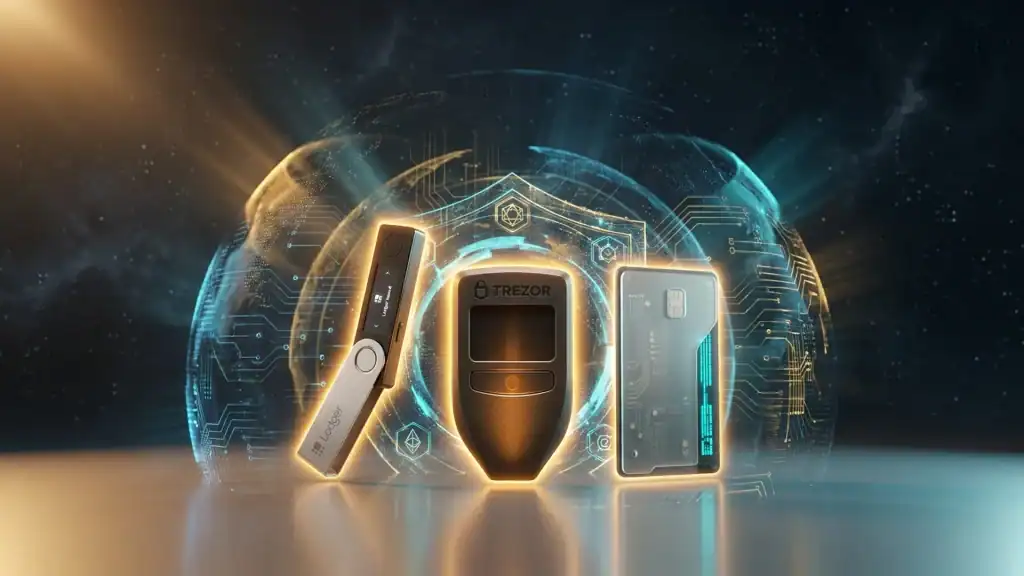
- Storing BTC in a hardware wallet like Ledger or Trezor is safer than leaving it on exchanges.
- Dollar-cost averaging (DCA) is the recommended strategy to avoid timing market tops.
- Always enable 2FA, use strong passwords, and never share your seed phrase with anyone.
Step 1: Choose a Regulated Exchange
Your exchange choice sets the foundation for your crypto journey. Focus on regulatory compliance, security track record, fees, and user experience.
| Exchange | Best For | Key Features |
|---|---|---|
| Coinbase | Absolute beginners | Clean UX, U.S. regulated, insurance |
| Kraken | Security-focused users | Strong track record, advanced features |
| Gemini | Compliance-oriented | NY BitLicense, institutional-grade |
| Binance.US | Lower fees | Wider coin selection, competitive rates |
| Bitstamp | Longevity | One of the oldest exchanges |
💡 Tip:Avoid unregulated exchanges or obscure platforms, even if they offer attractive bonuses. Exchange failures can result in total loss of funds.
Step 2: Create and Verify Your Account
All reputable exchanges require identity verification under Know Your Customer (KYC) regulations. This typically involves:
- Email and phone verificationwith confirmation codes
- Personal details:Full name, date of birth, address
- ID upload:Driver’s license, passport, or state ID
- Selfie verificationto match your ID photo
- Source of fundsfor larger deposits (in some cases)
Verification usually completes within 24 hours. Some exchanges offer instant approval for smaller deposit tiers.
Step 3: Fund Your Account
Most exchanges accept multiple deposit methods, each with different fees and processing times.
| Method | Speed | Typical Fee |
|---|---|---|
| ACH Bank Transfer | 1-3 days | Free or low |
| Wire Transfer | Same day | $10-25 |
| Debit Card | Instant | 2-4% |
| PayPal | Instant | 1-3% |
| Crypto Deposit | 10 min, 1 hour | Network fees only |
Step 4: Place Your First Bitcoin Buy
Once funded, buying Bitcoin takes seconds:
- Navigate to the Buy/Sell section
- Select Bitcoin (BTC)
- Enter the amount in USD or BTC
- Review fees and exchange rate
- Confirm the purchase
Bitcoin is divisible to 8 decimal places, so you can buy any fractional amount. Starting with $10-$100 to learn the platform is a smart approach before committing larger amounts.
💡 Tip:Use “limit orders” instead of “market orders” when buying larger amounts. Limit orders specify your maximum price, protecting against slippage during volatile moments.
Step 5: Secure Your Bitcoin
Leaving large Bitcoin holdings on exchanges is risky, exchanges can be hacked, frozen, or fail. For long-term holdings, self-custody through a hardware wallet is the gold standard.
Hardware Wallet Options
- Ledger Nano X:$149, Bluetooth support, 1000+ coins
- Trezor Model T:$219, open-source, touchscreen
- Ledger Nano S Plus:$79, budget option with full functionality
- Cypherock X1:$199, multi-share seed architecture
Hardware Wallet Setup Best Practices
- Buy only from official manufacturer websites
- Verify the device packaging is unopened
- Initialize the device yourself (never use pre-configured)
- Write your seed phrase on paper (never photograph or type)
- Store the seed phrase in a secure location
- Verify transactions on the device screen, not just your computer
⚠️ Warning:Never share your seed phrase with anyone, not customer support, not “verification” services, not trusted family members who ask. Anyone with your seed phrase can steal all your Bitcoin.
Choosing a Strategy: DCA vs Lump Sum
Most financial advisors recommend Dollar-Cost Averaging (DCA) for beginners. DCA means buying fixed amounts on a regular schedule, weekly, bi-weekly, or monthly, regardless of price.
Why DCA Works
- Removes emotional decision-making
- Avoids timing the market (which even professionals struggle with)
- Reduces impact of short-term volatility
- Builds consistent accumulation habit
When Lump Sum Makes Sense
If you have capital ready and strong conviction about Bitcoin’s long-term trajectory, lump sum investing has mathematically outperformed DCA in roughly 67% of historical periods. However, DCA reduces regret if prices immediately decline after purchase.
📌 Note:This article is informational and not financial advice. Consult a qualified financial advisor before making significant investment decisions, especially regarding tax implications.
Common Mistakes to Avoid
- FOMO buying:Purchasing after large rallies often means buying near local tops
- Panic selling:Selling during drawdowns locks in losses
- Over-using:Using borrowed money amplifies both gains and losses
- Chasing yields:High APY promises often signal high risk or scams
- Skipping security:Not using 2FA or hardware wallets invites theft
- Tax ignorance:Crypto trades are taxable events in most jurisdictions
Next Steps After Your First Bitcoin Purchase
Congratulations, you now own Bitcoin. Beyond accumulation, consider:
- Setting up a consistent DCA schedule
- Moving larger balances to hardware wallet storage
- Learning about advanced topics like Lightning Network
- Understanding tax implications in your jurisdiction
- Exploring other cryptocurrencies cautiously after building Bitcoin foundation
Bitcoin rewards patience, conviction, and disciplined security practices. Start small, learn continuously, and let time compound your position.