





































What to Know
- Alcoais nearing a deal to sell its long-dormantMassena Eastaluminum smelter in upstate New York to Bitcoin mining firmNYDIG
- CEOBill Oplingertold Bloomberg the transaction is expected to close in themiddle part of 2026
- The site has sat idle since2014and comes with pre-built substations, transmission lines, and access tohydropowerfrom the New York Power Authority
- The deal mirrorsCentury Aluminum’s $200 millionsale of its Hawesville, Kentucky smelter toTeraWulfearlier this year
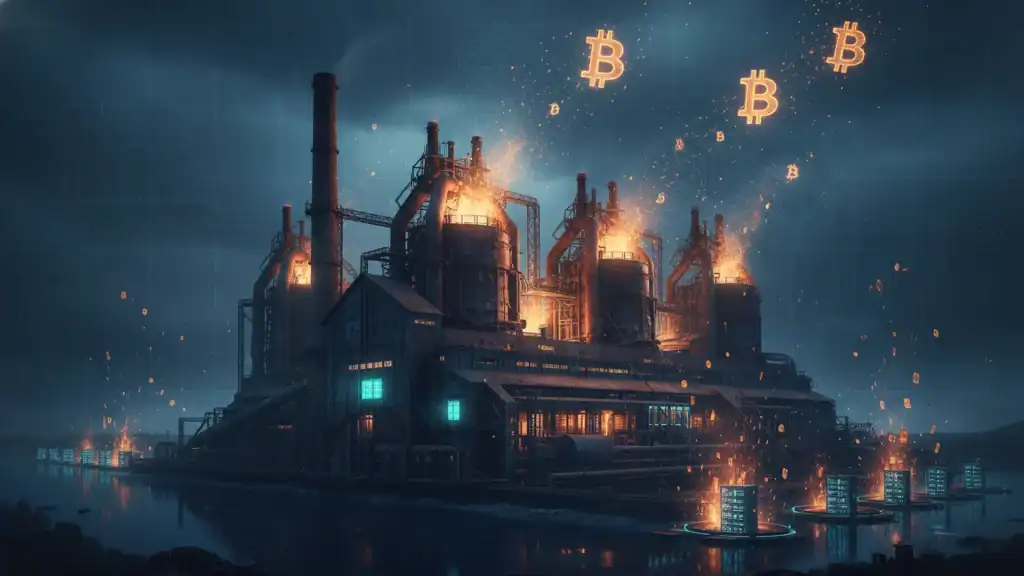
The Alcoa Massena East smelter, silent since 2014, slowly rusting along the St. Lawrence River, is about to find a second life as Bitcoin mining infrastructure. Alcoa is in advanced talks to hand the upstate New York site over to NYDIG, the Stone Ridge-owned Bitcoin mining outfit, with CEO Bill Oplinger telling Bloomberg on Friday that the companies expect the deal to close sometime in the middle of this year. It is a quiet transaction on paper, but what it represents is anything but quiet.
Why Would a Bitcoin Miner Buy a 12-Year-Old Aluminum Plant?
Simple answer: the hard part is already done. Building power infrastructure from scratch, substations, transmission lines, grid capacity negotiations, can take years and cost a fortune. Aluminum smelters like Massena East were engineered for exactly the relentless, round-the-clock power draw that Bitcoin mining demands, with permitting headaches already solved by decades of industrial use.
Massena East comes with an extra sweetener: hydropower from theNew York Power Authority. For energy-intensive computing firms trying to keep operating costs down and appease ESG-minded investors at the same time, cheap hydro is close to the ideal power source. NYDIG is not walking into a blank lot, it is acquiring a ready-made launchpad, according toAlcoa Massena East smelterreporting from Bloomberg.
NYDIG already has a connection to the Massena campus. The firm holds a stake inCoinmintwhich currently runs mining hardware at the same site under a long-term lease. So this is less a cold acquisition and more a consolidation, NYDIG buying out the landlord to own the whole operation outright.
We expect the transaction to close in the middle part of this year.
NYDIG is Zigging While Everyone Else Zags
There is something worth noticing here. Most Bitcoin miners,MARA HoldingsHive, Hut 8, TeraWulf, Iren, are aggressively pivoting toward AI and high-performance computing as mining margins get squeezed post-halving. CoreWeave went further and left Bitcoin mining entirely. The narrative in the industry right now is that pure-play Bitcoin mining is a losing proposition, and the smart money is diversifying into GPU clusters and cloud contracts.
NYDIG is doing the opposite. The firm just acquired Crusoe Energy’s Bitcoin mining operations late last year, and now it is scooping up heavy industrial real estate to expand its mining footprint further. That is a contrarian bet, a deliberate wager that Bitcoin mining, done at scale with cheap power and owned infrastructure, still has legs even as the sector’s public image shifts toward AI.
Call it conviction. Call it stubbornness. Either way, NYDIG is one of the few large players doubling down onNYDIG Bitcoin miningas a standalone business rather than treating it as a steppingstone to something else.
Why the Alcoa Massena East Smelter Sale Is Not the Last of Its Kind
Century Aluminumsold itsHawesville, Kentuckysmelter to TeraWulf for$200 millionearlier in2026with plans to turn the facility into a high-performance computing and AI campus rather than restart aluminum production. The pattern is unmistakable: shuttered heavy industry, particularly energy-intensive smelters with existing grid infrastructure, is becoming one of the most sought-after asset classes in the digital infrastructure arms race.
It makes a certain dark-irony kind of sense. These facilities were built when American manufacturing was king, designed to gulp power at a scale that most modern commercial real estate cannot touch. Now that domestic manufacturing has hollowed out in many regions, the infrastructure those plants left behind turns out to be perfectly suited for the next industrial wave, one that runs on GPUs and ASICs instead of molten aluminum.
TheCentury Aluminum Hawesville smelter TeraWulfdeal set a template. Alcoa-to-NYDIG is the follow-up chapter. There will almost certainly be more.
What Does the NYDIG Deal Actually Signal for Bitcoin Mining?
For long-term Bitcoin bulls, this kind of infrastructure investment reads as a bullish signal, capital is flowing into owned, hard-to-replicate mining assets rather than rented rack space. When you own the land, the substation, and the grid connection, your cost basis is structurally different from a miner leasing colocation space at a data center. That matters whenBTCprices dip and margins tighten.
For Alcoa, the calculus is simpler. The Massena East site has generatedzero revenuesince2014. Energy costs and global aluminum supply dynamics made restarting production economically unviable. Selling to a buyer who sees value in the underlying infrastructure, not in making aluminum, is the most logical exit available. The deal clears dead weight off Alcoa’s books and puts the site back to productive use.
Whether NYDIG’s all-in Bitcoin mining strategy pays off depends heavily on whereBTCgoes from here. If the next cycle delivers another order-of-magnitude price run, owning purpose-built, low-cost mining infrastructure at scale will look like genius. If the market stagnates, the company will be sitting on a lot of expensive real estate with no AI fallback plan.
Frequently Asked Questions
What is the Alcoa Massena East smelter deal?
Alcoa is selling its idle Massena East aluminum smelter in upstate New York to NYDIG, a Bitcoin mining firm owned by Stone Ridge. The site has been inactive since 2014. CEO Bill Oplinger told Bloomberg the deal is expected to close in the middle part of 2026.
Why is NYDIG buying an aluminum smelter for Bitcoin mining?
Aluminum smelters are built for continuous, high-power industrial operations, making them ideal for Bitcoin mining. Massena East comes with pre-existing substations, transmission lines, and access to cheap hydropower from the New York Power Authority, infrastructure that would take years to build from scratch.
How does this deal compare to other industrial-to-crypto conversions?
Century Aluminum sold its Hawesville, Kentucky smelter to TeraWulf for $200 million earlier in 2026, with plans for a high-performance computing campus. Alcoa-to-NYDIG follows the same playbook: retired heavy industry sites being repurposed as digital infrastructure due to their existing power capacity.
What makes NYDIG's strategy different from other Bitcoin miners?
Most large Bitcoin miners are pivoting toward AI and cloud computing to diversify revenue. NYDIG is doing the opposite, doubling down on Bitcoin mining by acquiring Crusoe Energy’s mining operations and now physical industrial infrastructure, betting that owned, low-cost mining assets remain viable long-term.
This article is for informational purposes only and does not constitute investment advice. Every investment and trading decision involves risk. Readers should conduct their own research before making any financial decisions.







Massena East had around 125MW of hydro tied to it back when Alcoa ran the potlines. Curious if NYDIG is picking up the existing St. Lawrence power allocation or renegotiating with NYPA, because that detail changes the whole economics of the site.
idle since 2014 and suddenly it’s a bitcoin mine, feels like every stranded industrial asset in the northeast is getting the same pitch deck
Been around since the Rockdale conversion in 2021 and this feels like the same playbook. Smelter shuts, power contract lingers, miner swoops in. Works until the next halving cuts margins and the site sits cold again.
what’s the nameplate they’re actually energizing on day one