






































What to Know
- April is done for the crypto market structure bill, but a Senate committee hearing in May could still save it
- The bill must reach a full Senate vote by July or risk being crushed by the August recess and November midterms
- Galaxy puts the odds of the Clarity Act becoming law in 2026 at roughly 50-50, and possibly lower
- Coinbase and bank lobbyists are still fighting over whether stablecoin reward programs count as deposit yield
The Clarity Act is running on fumes. April ended without the Senate Banking Committee markup that crypto lobbyists spent three months waiting on, and the calendar left for the year looks brutal. A hearing in May could still keep the market structure bill breathing, according to lobbyists and a Senate aide tracking the fight, but only if the full chamber can push it to a floor vote by July. Miss that, and the August recess followed by the midterm campaign swallows everything.
Why Is the Clarity Act Stuck in the Senate Banking Committee?
The short answer: bankers and Coinbase cannot agree on what a stablecoin reward program should look like. Republican Senator Thom Tillis is holding discussions with banking representatives over whether crypto firms can pay yield-style incentives on stablecoin balances. Those talks pushed the April markup into May, and a Senate aide said another short delay is not fatal.
The dispute traces back to unfinished business from last year’s GENIUS Act, the stablecoin law that already made it onto the books. Bank lobbyists argue that programs which functionally pay interest on stablecoin holdings cannibalize deposit yield and chip away at the core banking business model. Crypto firms argue those programs are closer to credit-card cashback than to savings accounts.
According to the Senate aide, earlier fights over decentralized finance protections are effectively settled. That leaves the stablecoin yield question as the last real obstacle to a committee vote.
You can’t be for CLARITY and against rewards. It’s one or the other. Time to choose.
The Calendar Math That Could Kill the Bill
Look at the Senate’s schedule and the squeeze becomes obvious. The chamber leaves Washington for most of August and shifts into full election mode until the November midterms. That gives senators roughly a dozen working weeks before voters weigh in, and the plate is already stacked.
Ahead of crypto on that list: the funding fight over the Department of Homeland Security, debate over the Iran conflict, a voter identification bill, and confirmation battles including President Donald Trump’s pick of Kevin Warsh to run the Federal Reserve. Crypto market structure has to elbow into that queue and then survive a reconciliation process with the version of the bill that already cleared the Senate Agriculture Committee.
That reconciliation is the cushion being eaten up by every week of delay. Lawmakers also still need to hammer out an ethics provision that Democrats want, one aimed at limiting senior officials, including Trump himself, from profiting off crypto holdings. The aide said that language is being exchanged privately and will not appear in the Senate Banking Committee version. It gets tacked on later.
If the Senate manages all of that, the House has to approve the revised text because it looks very different from the version that chamber passed last year. Trump’s signature is expected to be the easy part, though he muddied the picture in March by saying he would not sign any bill until Congress also sends him legislation requiring voters to prove citizenship at the polls.
What Coinbase Wants and Why Banks Are Pushing Back
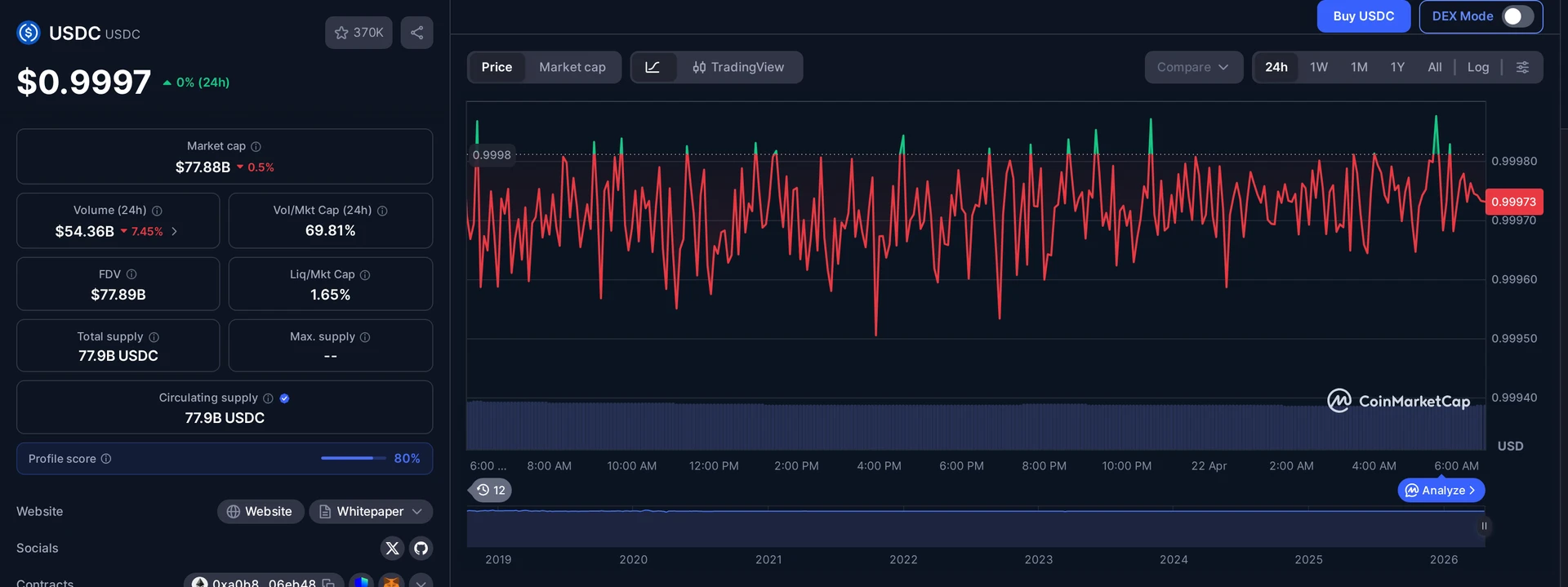
Coinbase has more money on the line here than almost any other public crypto company. Its USDC rewards program generates real revenue, and a ban on paying users for holding stablecoin balances would punch a hole in one of its fastest-growing lines. Chief Legal Officer Paul Grewal has spent the last several weeks hammering the industry message on X, arguing the bill cannot pass without protecting these programs.
The bank lobby’s counter is simpler. If stablecoins can pay something that walks and talks like interest, depositors will move cash from insured bank accounts into crypto wallets. Smaller community banks, which rely on cheap deposits to fund loans, would feel that first.
The White House has planted its flag firmly on the crypto side of the argument. Patrick Witt, a top crypto adviser in the Trump White House, went scorched earth on X, writing that further bank lobbying could only be explained by greed or ignorance and telling the sector to move on. That is not subtle. That is a sitting administration telling one industry to stop complaining in public.
It’s hard to explain any further lobbying by banks on this issue as motivated by anything other than greed or ignorance. Move on.
The Compromise Text Nobody Has Seen
Insiders say the working draft has settled on a split. Any product that behaves like insured deposit yield would be banned from paying rewards. Programs structured more like credit-card incentives, which is the category Coinbase slots its USDC rewards into, would survive. That line sounds clean on paper and a nightmare in practice, because the whole fight for the past four months has been over where exactly to draw it.
Senate negotiators are deliberately not releasing text. They let crypto and banking reps review draft language last month and walked away bruised. Publishing the wording now, without a scheduled markup, risks another round of public attacks that could undo the quiet progress.
Cody Carbone, the CEO of the Digital Chamber, put the industry frustration on the record in a statement, pushing leadership to stop stalling and schedule the markup already. Three months have passed since the hearing was first penciled in, and the trade group argues the bipartisan framework on stablecoin yield is good enough to move.
We’re too close to let this effort fail. A markup must happen to move this forward. It’s been three months since it was initially scheduled.
Are the Odds of Passage Really 50-50?
That is the number crypto investment firm Galaxy plans to publish in a research note this week. Fifty-fifty, and possibly lower. The firm’s analysts wrote that the uncertainty does not come from any one issue but from the sheer pile of unresolved questions that have to be cleared in sequence under severe time pressure.
Translation: a single blowup, on ethics language or on Democratic demands for filling out markets regulator seats, could end the year’s work. The Clarity Act would become only the second major crypto law in U.S. history if it lands on Trump’s desk, joining the GENIUS Act. If it dies in 2026, the industry has to restart in a new Congress.
There is a backup route. The so-called lame duck session after November, the stretch when the outgoing Congress can still pass laws, has been floated by more than one crypto insider as a last-ditch opening. Nobody in Washington treats that as a plan. It is a parachute.
The Long Game Crypto Is Already Playing
Here is the part that gets less coverage. Even if the Clarity Act dies this year, the crypto lobby has been stocking Congress with allies. Political action committees including Fairshake, the sector’s largest, have spent millions this cycle backing candidates in both parties. Many of those picks will be sworn into the next Congress in January 2027.
That means the industry’s long-term bet does not rest on a 2026 signature. It rests on having enough friendly votes in 2027 and 2028 to push through not just market structure but a crypto tax overhaul and a federal bitcoin stockpile, two items already circulating on Republican wish lists.
Call it hedging, call it realism. Either way, the people writing million-dollar checks to Fairshake are not betting everything on Tillis and the Senate Banking Committee finding agreement in the next sixty days. They are building a bench.
For now, the next move is obvious. Schedule the markup. Release the text. Every day the draft stays in a drawer, the odds that the bill becomes law this year get a little worse. Crypto has been told for three years that its big legislative moment is coming. The moment, or at least the last shot at one this Congress, is counted in weeks now.
Frequently Asked Questions
What is the Clarity Act?
The Digital Asset Market Clarity Act is the main U.S. market structure bill for crypto. It splits regulatory authority between the SEC and CFTC and defines when a digital asset is a security or a commodity. It has cleared the House and Senate Agriculture Committee but remains stuck in the Senate Banking Committee.
Why has the Senate Banking Committee delayed the markup?
Republican Senator Thom Tillis is holding talks with bank lobbyists over stablecoin reward programs. Banks argue those programs pay something too close to deposit yield and threaten their business model. Those talks pushed the April markup into May, and a Senate aide said another short delay is survivable.
How does the Clarity Act relate to the GENIUS Act?
The GENIUS Act, passed last year, is the U.S. stablecoin law. It left the question of stablecoin rewards unresolved, and that single open issue has stalled the Clarity Act since January. The Clarity Act would be the second major crypto law, covering broader market structure rather than just stablecoin issuance and reserves.
What happens if the Clarity Act fails to pass in 2026?
The bill would have to be reintroduced in the next Congress, which convenes in January 2027. Crypto lobbyists are already backing candidates through PACs like Fairshake to build a friendlier roster. A lame duck session in late 2026 is seen as a long-shot backup, but most insiders treat 2027 as the realistic restart point if this year’s effort collapses.
This article is for informational purposes only and does not constitute investment advice. Every investment and trading decision involves risk. Readers should conduct their own research before making any financial decisions.







The May deadline is the real story here. Banking Committee markups historically slip two or three times before anything moves, and stablecoin yield is exactly the kind of provision Warren will fight to the last hour.
if they kill yield bearing stablecoins the whole bill becomes useless for anyone actually building
Been through this movie before with FIT21 in 2024. Senate always guts the House version on anything touching deposit competition. Banks have too many lobbyists for yield passthrough to survive committee untouched.
Curious what everyone thinks the fallback looks like if markup slips past Memorial Day. Does leadership attach it to NDAA or does it just die quietly until after midterms?
Finally some actual movement after two years of nothing. If this passes with yield intact USDC flows back onshore overnight.
what specifically is the stablecoin yield fight about, is it the 4 percent treasury passthrough or something broader in the draft text?