







































What to Know
- 11 felony counts were returned by a federal grand jury in Alabama against the Southern Poverty Law Center on April 21
- One neo-Nazi informant was paid more than $1 million between 2014 and 2023, according to reporting cited by prosecutors
- Acting Attorney General Todd Blanche accused the SPLC of ‘manufacturing the extremism it purports to oppose’
- The charges include six counts of wire fraud, four counts of false statements to a bank, and one conspiracy to commit money laundering count
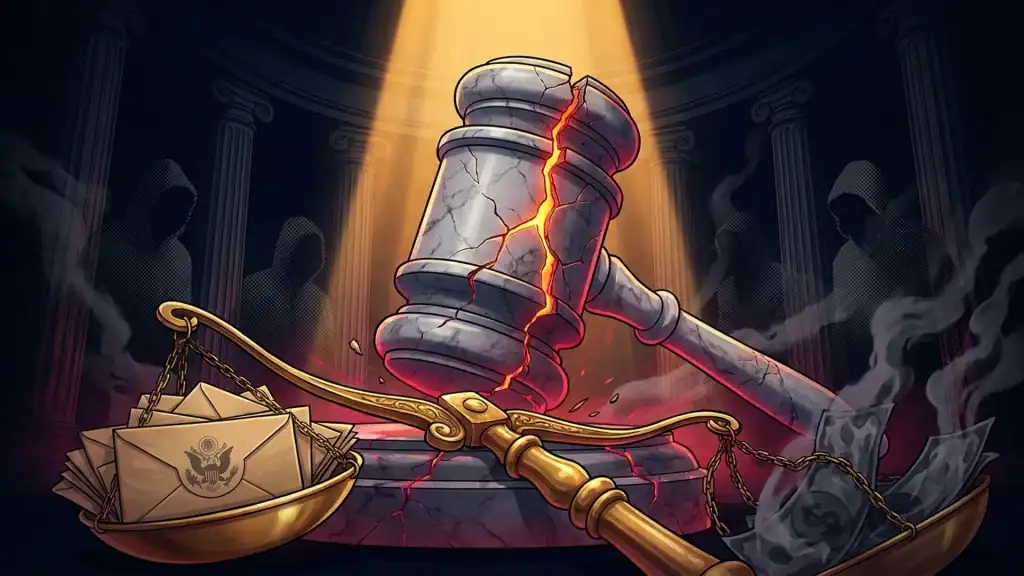
The SPLC indictment landed on Tuesday with the kind of force that rearranges a room. A federal grand jury in Alabama returned an 11-count charging sheet against the Southern Poverty Law Center, accusing the civil rights nonprofit of funneling money through shell accounts to pay informants embedded inside the Ku Klux Klan, the Aryan Nation, and the National Alliance. The Department of Justice says those payments were hidden from donors. Prosecutors say they were also, in some cases, the fuel that kept the groups running.
Inside the SPLC Indictment and the Alabama Grand Jury Filing
The charging document is long, specific, and unusually blunt for a white-collar case. Six counts of wire fraud. Four counts of making false statements to a federally insured bank. One count of conspiracy to commit money laundering. Eleven felonies in total, all tied to payments the Justice Department says the SPLC made between roughly 2014 and 2023.
Prosecutors allege the organization opened shell accounts under fictitious names, then used those accounts to move cash to leaders and organizers inside the country’s most notorious white supremacist networks. The theory of the case is that donors who gave to the SPLC believed their money was being spent to monitor and litigate against hate groups. Instead, the government says, a portion of it was flowing back into those same groups through undisclosed informant contracts.
That is the piece that makes this case unusual. It is not a garden-variety accounting fraud. It is an allegation that a civil rights charity was bankrolling the extremists it was publicly naming and shaming.
As the indictment describes, the SPLC was not dismantling these groups. It was instead manufacturing the extremism it purports to oppose by paying sources to stoke racial hatred.
Who Is Todd Blanche and Why Is He Running Point on This Case?
Acting Attorney General Todd Blanche announced the charges himself, flanked by FBI Director Kash Patel, which is not the usual configuration for a nonprofit fraud case. That staging choice matters. Attorneys general do not personally headline press conferences for mid-sized wire fraud cases unless the department wants the case to carry weight beyond the courtroom.
Blanche’s language was equally deliberate. He did not accuse the SPLC of being sloppy with paperwork. He accused it of manufacturing the very phenomenon it fundraises against. That framing is going to shape how this case is covered, defended, and eventually tried.
For the SPLC, a 501(c)(3) with an endowment in the hundreds of millions of dollars and decades of political clout, a federal prosecutor saying those words out loud is its own kind of sentence, separate from whatever the jury eventually decides.
- Six wire fraud counts covering a nearly decade-long pattern of alleged payments
- Four false statement counts tied to federally insured banks
- One conspiracy to commit money laundering count involving shell accounts
- Grand jury venue: Alabama, the state where the SPLC is headquartered
The Million Dollar Informant and the Unite the Right Link
The detail that has traveled furthest in the first 24 hours concerns two specific informants. According to reporting by NPR, one informant who was a member of the neo-Nazi National Alliance received more than $1 million in payments between 2014 and 2023. A second informant, the reporting said, was paid approximately $270,000 and allegedly helped coordinate transportation to the 2017 Unite the Right rally in Charlottesville, Virginia, the event where counterprotester Heather Heyer was killed.
That last sentence deserves to sit by itself. The DOJ is alleging, in effect, that money originating from donors to a civil rights charity helped put bodies on the ground at one of the most consequential acts of political violence of the last decade.
Whether that allegation survives contact with the evidence is a question for the courtroom. But the accusation is now part of the record, and it will shape every fundraising pitch, every policy debate, and every media citation of the SPLC’s hate map for the foreseeable future. Charities that run informant programs do not typically disclose those programs to donors, for operational reasons that are at least defensible. What prosecutors are saying here is different. They are saying the payments were not just undisclosed. They were structured to look like something else entirely, and the money flowed to people actively organizing violence.
What Does This Mean for Nonprofits That Monitor Hate Groups?
The short answer is that every organization running an undercover intelligence program is reading this indictment with a lawyer in the room. The longer answer is messier. Nonprofits that monitor extremist networks have always operated in a legal gray zone when it comes to paying sources. Journalists pay sources too, sometimes. Private investigators do. The question has always been what you disclose, how you account for it, and what your donors were told they were funding.
The DOJ is arguing the SPLC crossed the line on all three. The organization allegedly used accounts that did not match the payee names, misstated the nature of the disbursements to its bank, and told donors a story about its work that left out the informant program entirely. If the government wins on those three points, the precedent will ripple well beyond Montgomery, Alabama.
Expect every large advocacy nonprofit with an investigations arm, from environmental watchdogs to anti-trafficking groups, to quietly revisit its disclosure language over the next ninety days. Board meetings this quarter are going to be uncomfortable.
- Undercover programs inside nonprofits will face tighter disclosure review
- Donor-facing communications that omit intelligence operations now carry litigation risk
- Banks holding nonprofit accounts will likely tighten KYC on unusual disbursements
- Expect copycat state attorney general probes in jurisdictions unfriendly to advocacy groups
The SPLC’s Response, Its Endowment, and the Road to Trial
The SPLC has disputed elements of the government’s account but, as of publication, has not issued a comprehensive public defense. That silence is tactical. Defense counsel in a case of this size almost never lets a client speak beyond a short denial in the first week, because every sentence becomes an exhibit.
Financially, the SPLC is in a different position than most nonprofits facing federal indictment. Its endowment runs into the hundreds of millions, which means the organization can afford top-shelf defense counsel and a long trial. Reputationally, the calculus is tougher. The SPLC’s brand has been built on moral authority, and indictments corrode moral authority whether or not they result in convictions.
The DOJ has not said whether individual executives will face charges. The investigation is described as ongoing, which is the department’s standard way of signaling that more shoes may drop. Watch the superseding indictment calendar over the next six months. If individual defendants are named, the case pivots from institutional fraud to personal criminal exposure, and the settlement math changes entirely.
The case could set a precedent for how civil rights organizations document and disclose intelligence-gathering activities going forward.
What Comes Next for Donors, Critics, and the Broader Nonprofit Sector
Donors are the first domino. The SPLC relies on recurring contributions from a large base of retail givers, not just foundation grants. Recurring donors read headlines. Even a fraction of that base pausing contributions would force budget decisions before the trial starts.
Critics of the SPLC, and there are many across the political spectrum, are already treating the SPLC indictment as vindication. That reaction is predictable and, in some cases, premature. An indictment is an allegation. It is not a verdict. But the filing itself, with its specific dollar amounts and named informants, is going to dominate the conversation regardless of what happens at trial.
The broader nonprofit sector now has a problem it did not have last week. The question is no longer whether undercover programs are legally defensible in the abstract. It is whether the way your organization runs its program would survive a federal prosecutor with subpoena power reading your bank records out loud. For a lot of groups doing important work on the margins, that is a very uncomfortable question to sit with.
Trial dates have not been set. Arraignment is expected in the coming weeks in the Middle District of Alabama. Watch the docket.
Frequently Asked Questions
What is the SPLC indictment about?
The SPLC indictment is a federal charging document returned by a grand jury in Alabama on April 21, 2026. It alleges the Southern Poverty Law Center committed wire fraud, lied to a federally insured bank, and conspired to commit money laundering by routing undisclosed payments to extremist informants through shell accounts.
How much money did the SPLC allegedly pay to informants?
Prosecutors have not disclosed a total figure, but NPR reported one informant inside the neo-Nazi National Alliance received more than $1 million between 2014 and 2023. A second informant was paid roughly $270,000 and allegedly helped coordinate transportation to the 2017 Unite the Right rally in Charlottesville.
Why is Todd Blanche involved in the case?
Todd Blanche is the Acting Attorney General, and he personally announced the charges at a Justice Department press conference alongside FBI Director Kash Patel. Attorneys general rarely headline mid-sized fraud cases, which signals the department views the SPLC prosecution as a priority matter with implications beyond a single nonprofit.
What happens to the SPLC next?
Arraignment in the Middle District of Alabama is expected within weeks. The SPLC has disputed elements of the government’s account but has not issued a full public defense. The DOJ says the investigation is ongoing, meaning individual executives could face charges in a superseding indictment down the line.
This article is for informational purposes only and does not constitute investment advice. Every investment and trading decision involves risk. Readers should conduct their own research before making any financial decisions.















wait, why is this on a crypto news site? i came here for token analysis not federal informant payroll stories
The April 21 filing mentions wire fraud alongside the money laundering counts, which usually signals they traced funds through traditional rails first. Curious if any of the informant payments touched crypto mixers at all, the lead doesn’t say. Anyone actually read the full indictment yet?
reminds me of the BitMEX case back in 2020, feds love stacking wire fraud on top of AML charges because the sentencing math gets ugly fast. juries understand wire fraud way better than anything involving blockchain forensics, so prosecutors lean on it every time