








































What to Know
- Bitcoin wallet 1LwWt held 35.55 BTC untouched since March 2011 before moving coins on June 2, 2026
- The $285 billion Noah Doe lawsuit claims legal title over 39,069 dormant Bitcoin wallets under New York state law
- The court allowed OP_RETURN on-chain notifications to serve defendants directly on the Bitcoin blockchain
- Galaxy Research analyst Alex Thorn flagged the move, calling it one of the first visible defendant responses in the active case
The Noah Doe bitcoin abandoned wallets $285 billion lawsuit just got its first visible defendant response. A Satoshi-era wallet dormant since March 2011 moved coins on June 2, 2026, nearly seven months after its legal response window had already expired. The wallet, sitting silent through 14 years of Bitcoin’s rise from fractions of a dollar to over $70,000, transferred 15 BTC and held 20.55 BTC as change in Bitcoin block 952,104 at transaction b90755b, according to mempool.space data.
What Is the Noah Doe Bitcoin Abandoned Wallets $285 Billion Lawsuit?
The Noah Doe lawsuit seeks legal ownership of roughly 3.8 million bitcoin across 39,069 dormant wallets, valued at approximately $285 billion under New York abandoned-property law. The case names a pseudonymous plaintiff identified only as Noah Doe, along with two Wyoming LLCs. The defendants are wallet holders who never moved their coins or acknowledged legal notices sent in 2025.
Plaintiffs rely on New York Personal Property Law Article 7-B, the state’s lost-property statute, positioning Noah Doe as a legal ‘finder’ under abandoned-property doctrine. The Noah Doe bitcoin abandoned wallets $285 billion lawsuit was filed March 11, 2026 at the New York County Supreme Court under index number 153119/2026 and amended May 1, with co-plaintiffs ABC Company and XYZ Company, two Wyoming LLCs holding assigned interests.
Satoshi-era coins were acquired before Bitcoin had any real dollar value. Selling at today’s prices would represent a near-infinite gain on cost basis. Whether that alone qualifies a wallet as legally abandoned under New York law is precisely what the court will have to decide, and the outcome could set precedent for every dormant address on the Bitcoin network.
How Did the Court Serve Bitcoin Wallet Holders On-Chain?
What is OP_RETURN bitcoin court service blockchain notification?
OP_RETURN bitcoin court service blockchain notification is a legal method that permanently embeds text or URLs into Bitcoin transactions. A standard Bitcoin transaction includes an OP_RETURN output field that miners record in each block forever. The Noah Doe team’s blockchain consultant, Salomon Brothers Strategic Advisors, used this field to deliver formal legal notice to each of the 39,069 defendant wallets directly on the chain.
Between June and July 2025, Salomon Brothers Strategic Advisors broadcast 98 batches of dust transactions across Bitcoin blocks 950,446 to 950,576. Each transaction carried 546 satoshis, the network minimum, and an embedded link to the abandonment notice. That link is now permanently inscribed on the blockchain, giving every recipient wallet a timestamped record of service they cannot reasonably deny receiving.
The OP_RETURN bitcoin court service blockchain notification for wallet 1LwWt landed on July 31, 2025, giving the wallet holder a 90-day window to respond. That window expired with no visible action. The lawsuit was subsequently filed, the wallet was named as a defendant, and no movement appeared for months.
Hundreds of other wallet owners moved coins during the original 2025 notice campaign. Those wallets were interpreted as responsive and excluded from the final defendant list. The ones that stayed silent became defendants. The 1LwWt wallet chose silence then, and finally moved well after the case was already underway.
Apparently, they were not, in fact, abandoned.
The Satoshi-Era Dormant Bitcoin Wallet That Finally Moved
Wallet address 1LwWtSs7tMCwcRczQd5kVMv3xpWw6w4Sxe received its original coins on March 27, 2011, when bitcoin traded at less than a dollar. It held 35.55 BTC, worth roughly $2.54 million at current prices, completely untouched for over 14 years. On June 2, 2026, at 16:46 UTC, that changed.
The wallet sent 15 BTC to a new address and retained 20.55 BTC as change, recorded in Bitcoin block 952,104 at Satoshi era dormant bitcoin wallet 2011 New York lawsuit transaction b90755b. Galaxy Research tracks this wallet as defendant #38215 in the Noah Doe case. The movement came nearly seven months after the 90-day response window expired and roughly three months after the lawsuit was formally filed in court.
That timing is what makes this different. This is not a wallet that responded to the dust campaign and was removed from the lawsuit before it was filed. This is a named defendant, already inside an active legal proceeding, who moved coins after being sued. Plaintiff counsel will almost certainly treat this as an acknowledgment that the owner still controls the keys.
Alex Thorn of Galaxy Research flagged the move on X Tuesday morning, identifying the wallet by its defendant number and noting the bitter irony in plain language. His three-word observation cuts to the heart of the entire legal theory: if you move your coins after being sued for abandoning them, you just handed the plaintiff a complicated argument.
A Second Dormant Wallet Moved Hours Before
The 1LwWt move was not the only Satoshi-era activity on that day. A separate wallet, address 1CDSyXAQxro4FPUoqAQb81642ruqDsUiNp, moved 20 BTC worth approximately $1.48 million to a SegWit address roughly 13 hours earlier, according to Arkham Intelligence data. That wallet also received its original coins around the same 2011 window.
The key difference is that 1CDSy does not appear in the Noah Doe notice campaign records and was not named as a defendant in the lawsuit. Its movement is legally unrelated to the active case. But the coincidence is hard to overlook: two wallets, both dormant for approximately 15 years, both moving within 13 hours of each other on the same day. Whether coordinated or pure chance, no one publicly knows.
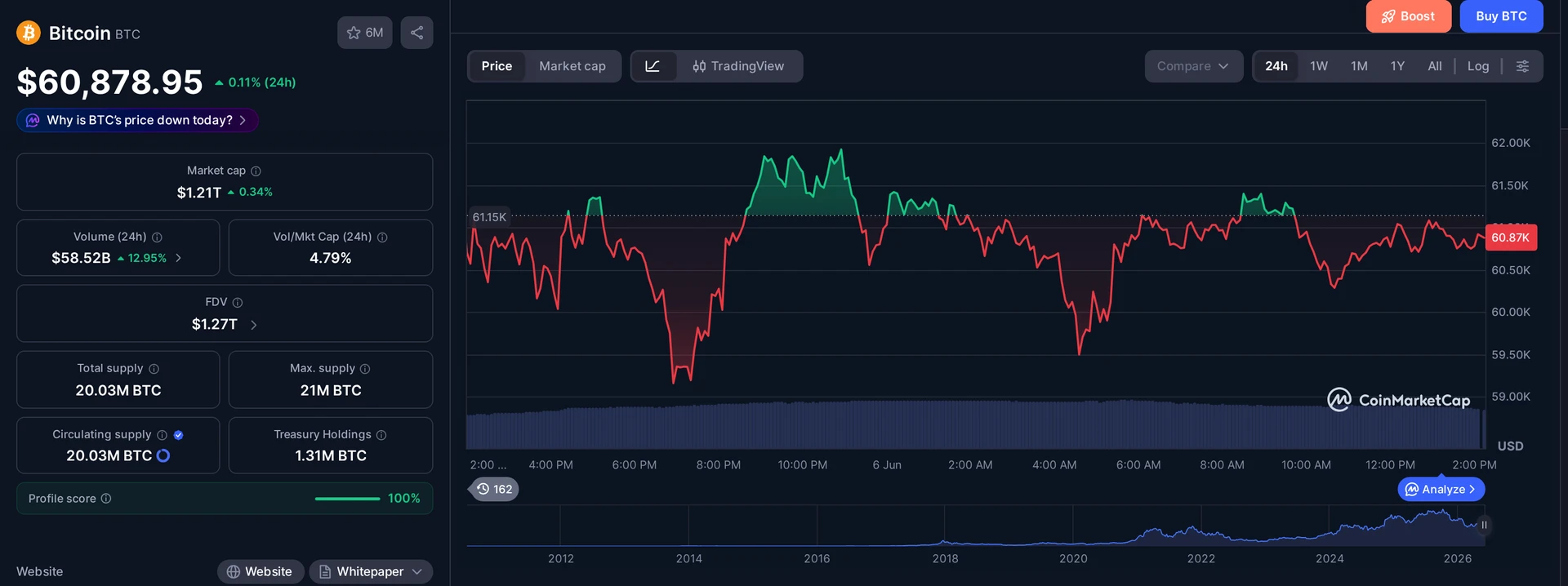
The combined movement of these long-dormant coins adds another layer of pressure to an already stressed Bitcoin market. BTC has slid to near $70,000, dragged lower by Strategy’s first publicized Bitcoin sale, a record 10-session spot ETF outflow streak, and stalled U.S.-Iran ceasefire talks. Satoshi-era sellers entering the market at any scale would represent fresh supply pressure the market is not currently pricing in.
What Does the Lawsuit Mean for Bitcoin Holders?
For most holders the immediate price impact from this wallet movement is limited. The 1LwWt wallet moved 35.55 BTC total, a rounding error against daily exchange volume. But the lawsuit itself is a different kind of risk, one that operates on a much longer time horizon than a single transaction.
The 39,069 wallets in the current case hold roughly 3.8 million BTC. That is nearly 18% of total circulating supply. Even a partial legal victory for Noah Doe could introduce years of ownership uncertainty over a massive slice of the network’s bitcoin base. Institutional holders, ETF issuers, and custody providers paying close attention to property law should be watching this case closely.
The behavioral signal is also worth noting. Galaxy’s analysis shows hundreds of wallet owners moved coins when they received dust notifications in 2025. Those owners are now off the defendant list. The ones who did not respond are now named defendants in a $285 billion case in New York state court. If any of them still hold their private keys, they are making decisions right now. And at least one of them already did.
Frequently Asked Questions
What is the Noah Doe bitcoin abandoned wallets $285 billion lawsuit?
The Noah Doe lawsuit is a New York state claim filed on March 11, 2026 seeking legal ownership of roughly 3.8 million bitcoin across 39,069 dormant wallets, valued at approximately $285 billion. It relies on New York Personal Property Law Article 7-B, the state’s lost-property statute, with Noah Doe positioned as a legal finder under abandoned-property doctrine.
What is OP_RETURN bitcoin court service and how was it used in this case?
OP_RETURN is a Bitcoin transaction field that permanently embeds short text on the blockchain. Salomon Brothers Strategic Advisors used it to deliver legal notices to 39,069 defendant wallets between June and July 2025, with each transaction carrying 546 satoshis and a link to the abandonment notice, as authorized by the New York court.
Which Satoshi-era dormant bitcoin wallet moved coins in June 2026?
Wallet address 1LwWtSs7tMCwcRczQd5kVMv3xpWw6w4Sxe, which received 35.55 BTC in March 2011 and held them untouched for 14 years, moved 15 BTC to a new address on June 2, 2026. Galaxy Research identifies it as defendant number 38215 in the Noah Doe New York abandoned wallets lawsuit.
Why does a dormant wallet moving coins matter for the Noah Doe lawsuit?
If a wallet owner moves coins after being named as a defendant, it proves the owner still controls the private keys and did not abandon the funds. This directly undercuts the plaintiff’s abandonment claim for that specific wallet and could influence how the court evaluates similar wallets elsewhere in the same case.
This article is for informational purposes only and does not constitute investment advice. Every investment and trading decision involves risk. Readers should conduct their own research before making any financial decisions.
















the timing of that 14 year dormant wallet moving right when Doe files is suspicious as hell. either someone with keys is panicking or the filing forced a hand we didnt know existed. either way the chain doesnt lie about the movement, only about the why.
Anyone else find it odd that the $285B figure is being thrown around like it’s settled? Most of those abandoned wallets haven’t been touched since pre-2012, and proving Doe has standing on any of them is a completely separate fight from the dormant coin move.
Satoshi-era wallet waking up after 14 years is wild regardless of the lawsuit context
Reminds me of the Mt Gox creditor claims back in 2014, everyone assumed the coins were gone too. Courts move slow but dormant keys move faster once incentives shift. Watched this pattern play out before with Silk Road seizures.