








































What to Know
- July 3 is when traders William Wood and Thomas Bush filed suit against Polymarket in New York Supreme Court.
- Strategy sold 32 BTC between May 26 and 31, but the SEC filing landed one day after the market’s cutoff.
- Polymarket ruled the market No after a vote by holders of UMA, the oracle used to settle disputes.
- Strategy has since outlined a plan to sell up to $1.25 billion more in Bitcoin, and this week sold $216 million worth under its BTC monetization program.
Two Polymarket traders have taken the prediction market platform to court over its handling of the Strategy Bitcoin sale bet, arguing the company quietly rewrote its own rulebook to dodge a payout it did not want to make. William Wood and Thomas Bush filed the complaint in the New York Supreme Court on July 3, naming Polymarket chief executive Shayne Coplan and chief marketing officer Matthew Modabber as defendants.
What Was the Strategy Bitcoin Sale Bet About?
The market asked a simple yes-or-no question: would Strategy sell any Bitcoin before May 31? Traders who bought Yes shares were betting on a real, well-telegraphed event, and when Strategy actually did it, they expected Polymarket to pay them out at one dollar per share.
Polymarket lawsuit over Strategy Bitcoin sale market is how the law firm Burwick Law is describing the fight it just picked on behalf of Wood and Bush. The pair’s complaint alleges breach of contract, breach of the implied covenant of good faith and fair dealing, unjust enrichment in the alternative, deceptive acts and practices, and false advertising. They want the full dollar value of their Yes shares, plus damages and legal fees, arguing the market’s own rules named Strategy’s public disclosures as the deciding source of truth.
Wood, who posts under the handle willo2_Poly, said publicly a day before the suit was filed that Polymarket had cost him $500,000 on the trade, and that 1,868 traders lost a combined $6.5 million on the same market. Whether that combined figure holds up in court is a separate question, but it gives a sense of how much money was riding on a single word: Yes or No.
Why Traders Say Polymarket Rewrote the Rules
Strategy, the Michael Saylor-led firm formerly known as MicroStrategy, disclosed in a June 1 SEC filing that it had sold 32 BTC between May 26 and May 31, its first such sale since 2022. That is exactly the event the market was designed to track, and on paper it looks like an easy Yes. The catch was timing: the filing landed on June 1, one calendar day after the market’s May 31 cutoff, even though the actual sales themselves happened inside the window.
Strategy sold 32 Bitcoin between May 26 and 31 according to the filing itself, which the market’s rules had designated as the primary source for resolution. Polymarket disagreed with a literal reading of its own timeline. The platform added a note stating that confirmation achieved outside the market’s stated window would not count, then let the outcome go to a vote among holders of UMA, the token used to arbitrate disputed markets.
Confirmation achieved outside of the market’s timeframe does not qualify.
How Does Polymarket’s UMA Oracle Resolve Disputes?
Polymarket does not resolve disputed markets itself. It hands the decision to UMA, a decentralized oracle whose token holders vote on what actually happened, and majority stake wins. Critics say that system breaks down when the people voting also hold positions in the very markets they are judging.
UMA oracle vote on Polymarket dispute resolution is the mechanism the plaintiffs are now attacking directly. Investigations by outside reporters have found that a small cluster of large wallets swings a disproportionate share of outcomes, and that many UMA voters also hold stakes in the markets they are called on to judge. Polymarket has logged more than 1,150 disputed markets in 2026 alone, already surpassing the total for all of last year, and the Strategy fight is the biggest since a $237 million market that hinged on whether Ukraine’s president wore a suit.
does not seek truth; it controls payout.
Strategy’s Bitcoin Sale Was Just the Beginning
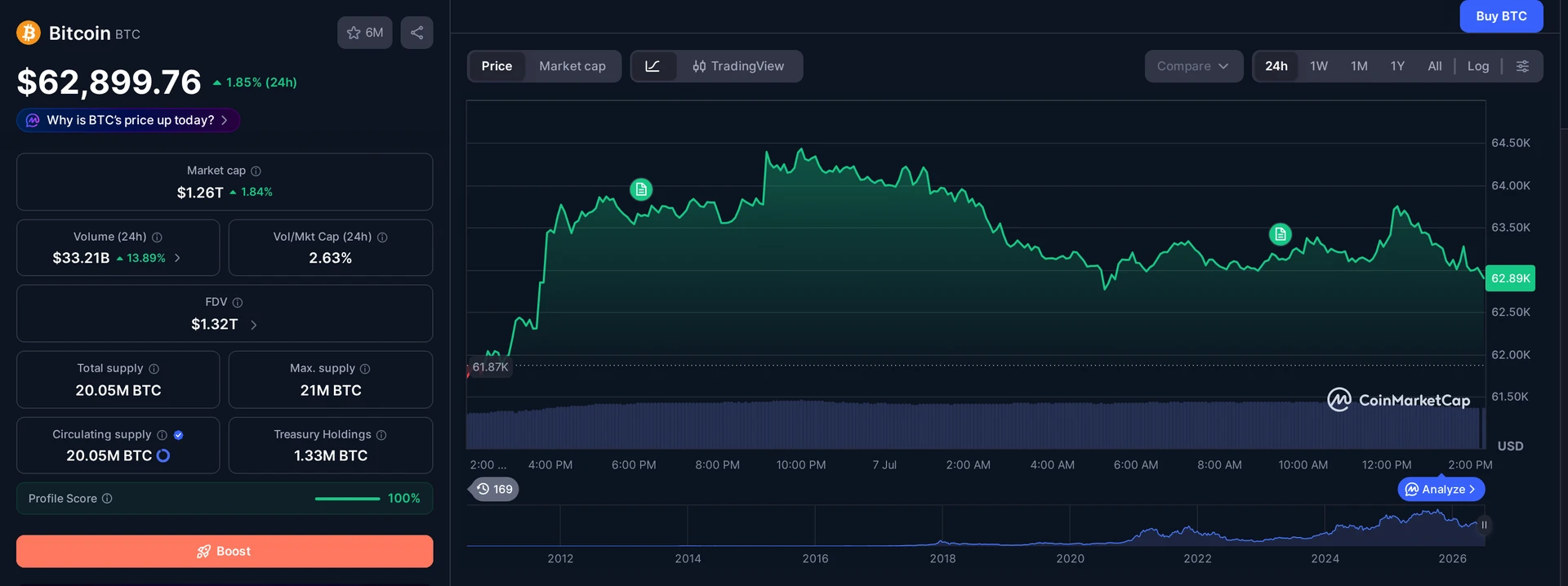
That May sale was not a one-off. Strategy has since laid out a plan to sell up to $1.25 billion more in Bitcoin to help fund its dividends, and this week it offloaded roughly $216 million worth of BTC under what the company calls its BTC monetization program. For a firm built almost entirely around a buy-and-hold Bitcoin thesis, cashing out any amount is news. Selling under a formal, named program is a bigger shift than the market’s narrow yes-or-no question ever captured.
Strategy $1.25 billion Bitcoin monetization program was authorized by the company’s board to fund dividend payments and share repurchases, a sign that even the loudest Bitcoin bull in corporate finance is willing to trim the pile when cash flow demands it. Polymarket has not publicly responded to the lawsuit, and its business keeps moving regardless. The company’s U.S. arm is now a CFTC-registered exchange, it has drawn close to $2 billion from NYSE parent ICE, and it was last valued at $9 billion, with reports in April that it was seeking to raise $400 million at a $15 billion valuation.
Saylor built Strategy’s entire investment case on never selling, turning the company into the largest corporate holder of Bitcoin on the planet and a proxy stock for anyone who wanted BTC exposure through a brokerage account. A sale of 32 BTC is tiny next to the company’s total stack, but symbolically it broke a streak traders had priced in as permanent. That is precisely why a market betting on whether it would happen at all drew enough volume to matter, and why the definition of ‘by May 31’ turned into a six-figure argument over a single calendar day.
What Does This Lawsuit Mean for Prediction Market Traders?
It means the thing prediction markets sell, namely trustworthy odds on real-world outcomes, is only as good as the party writing the rules. If Polymarket can add a deadline after the fact and let a small pool of token holders overturn a documented, unambiguous event, then every Yes share on the platform carries a hidden clause nobody agreed to.
Burwick Law says it is weighing similar claims from other traders, which suggests this will not be the last time Polymarket’s resolution process ends up in a courtroom rather than a market chart. Call it growing pains for a young industry, or call it something less charitable: a platform that markets itself on objective truth, arbitrated instead by whoever shows up with the most UMA tokens on voting day. Strategy completed the exact trade the market asked about. It just did the paperwork a day late, and that single day is now the subject of a New York lawsuit.
Frequently Asked Questions
What is the Polymarket Strategy Bitcoin sale lawsuit about?
Two Polymarket traders, William Wood and Thomas Bush, sued the platform in New York Supreme Court on July 3, arguing it wrongly ruled No on a market betting whether Strategy would sell Bitcoin by May 31, despite Strategy disclosing exactly that sale in an SEC filing.
Why did Polymarket rule the Strategy Bitcoin sale market No?
Strategy’s SEC filing disclosing the 32 BTC sale was dated June 1, one day after the market’s May 31 deadline. Polymarket added a note saying confirmation outside the market’s timeframe did not qualify, and UMA token holders then voted to resolve the market No.
What is the UMA oracle and how does it affect Polymarket disputes?
UMA is the decentralized oracle Polymarket relies on to settle disputed markets, with token holders voting on outcomes. Reports have found a small cluster of large wallets swings many results, and some UMA voters also hold positions in the markets they judge, raising conflict-of-interest concerns.
How much is Strategy planning to sell under its Bitcoin monetization program?
Strategy’s board authorized selling up to $1.25 billion in Bitcoin to fund dividends and share repurchases under its BTC monetization program. The company has already sold $216 million worth this week, adding to the 32 BTC sale that triggered the Polymarket lawsuit.
This article is for informational purposes only and does not constitute investment advice. Every investment and trading decision involves risk. Readers should conduct their own research before making any financial decisions.
















oracle disputes on prediction markets were always the weak point, the July 3 filing just puts a legal price tag on it
wait so did the market resolve No because Strategy technically didn’t sell, or because the phrasing left room? the article kind of glosses over which clause the oracle voted on
polymarket getting sued was inevitable once the volumes got serious
seen this movie back in 2020 with Augur, resolution disputes killed half their volume and no lawsuit fixed the underlying oracle design problem, curious if UMA holders vote differently now that real money is on the line
genuinely asking, does anyone know if the two plaintiffs are named or are they filing anonymously through counsel? the piece doesn’t say and it matters for how seriously courts take the class angle