








































What to Know
- Admiral Samuel Paparo told the Senate Armed Services Committee that Bitcoin is a valuable computer science tool for US power projection
- Paparo argued Bitcoin’s proof-of-work imposes real cost on attackers trying to compromise the network
- The US already holds the largest Bitcoin reserves and the biggest share of global hashrate, but relies on foreign-made mining rigs
- Senators Cassidy and Lummis introduced the Mined in America Act last month to codify Trump’s Strategic Bitcoin Reserve
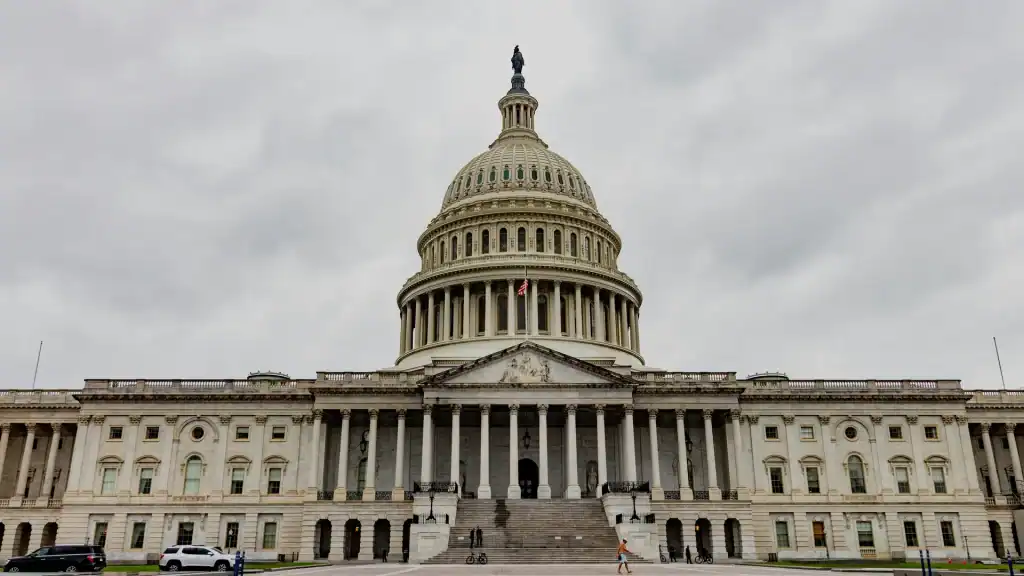
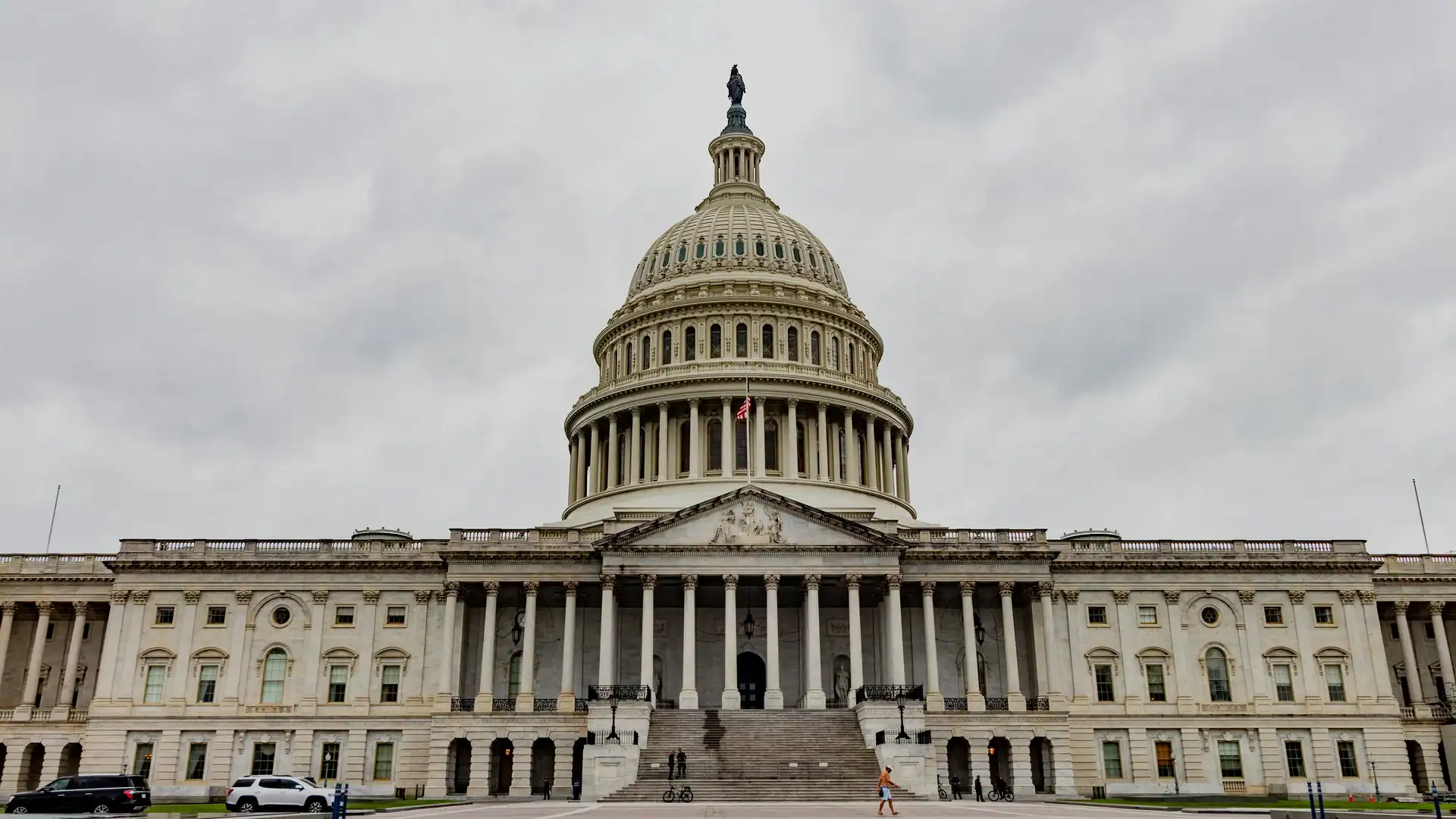
Admiral Samuel Paparo Bitcoin remarks just landed in the US Senate, and they carry unusual weight. The head of US Indo-Pacific Command told the Armed Services Committee on Tuesday that the protocol is a valuable computer science tool and an instrument of power projection for the United States. That is not language you hear every day from a four-star officer testifying under oath.
What Did Admiral Samuel Paparo Bitcoin Testimony Tell the Senate?
The short version. Paparo called Bitcoin a peer-to-peer zero-trust transfer of value and said anything that supports all instruments of national power for the United States is, in his words, to the good. He made the remarks during a Senate Armed Services Committee hearing on April 21 that was otherwise dominated by China, North Korea, Ukraine, and the Middle East.
The topic came up because Senator Tommy Tuberville pressed the admiral on how Washington should respond to Beijing’s changing posture on digital assets. Tuberville flagged that China’s top monetary think tank now treats Bitcoin as a strategic asset, a reversal from years of blanket hostility. Paparo did not answer the political question directly. He pivoted to the engineering one.
That pivot matters. Paparo did not praise Bitcoin as an investment, a hedge, or a store of value. He praised the protocol itself, specifically the way proof-of-work forces attackers to spend real energy to do real damage.
It is a valuable computer science tool, as a power projection. Bitcoin is a reality. It is a peer-to-peer zero-trust transfer of value.
Why a Navy Admiral Is Talking About Proof-of-Work at All
Because the Pacific theater is already a cyberwar zone. Paparo runs the command responsible for roughly half the surface of the planet, and his adversaries do not announce themselves with ships. They show up as phishing campaigns, ransomware payloads, and distributed denial-of-service floods aimed at power grids, ports, and undersea cables.
This is where the Admiral Samuel Paparo argument lands. Proof-of-work makes attacking the Bitcoin ledger mathematically expensive. Paparo’s point is that the same primitive, the same cost-to-attack logic, could harden other kinds of data channels and command signals that the Pentagon cares about.
His remarks echo an earlier argument made by former US Space Force officer Jason Lowery back in December 2023. Lowery argued that Bitcoin is usually framed as a monetary system, and that framing hides the real prize. He claimed the protocol can secure any form of data, message, or command signal, not just coins in a wallet. For two years that pitch sat on the fringe of military thinking. Paparo just dragged it into a Senate hearing room.
- Phishing campaigns aimed at defense contractors and utilities
- Ransomware strikes on ports, hospitals, and energy infrastructure
- Distributed denial-of-service attacks against government services
- State-linked theft of crypto to fund weapons programs
The Lazarus Group Problem Hiding Behind the Applause
There is a reason cyber keeps coming up in a hearing about warships. North Korea’s Lazarus Group has spent the last decade stealing crypto at an industrial scale and funneling the proceeds back to the regime’s weapons programs. US Treasury estimates put the haul in the billions of dollars, and the money has helped bankroll ballistic missile tests that the Indo-Pacific Command now has to plan around.
So when Paparo talks about Bitcoin as a tool for power projection, he is also implicitly admitting the other half of the story. The same protocol that the admiral wants to enlist as a cyber shield is already being exploited as a funding rail by Pyongyang. Both can be true at once. The question is whether the defensive upside outweighs the laundering downside, and on that point the Pentagon has been conspicuously quiet.
Paparo did not use the word laundering in his testimony. He did not need to. Every senator in the room knows the Lazarus numbers by heart.
America Holds the Coins and the Hashrate, But Not the Machines
Here is the uncomfortable detail the admiral did not spell out. The United States already holds the largest sovereign Bitcoin stash on the planet and controls the biggest share of global hashrate, somewhere north of 35% by most industry trackers. On paper, Washington is the dominant Bitcoin power.
The catch sits in the supply chain. American miners run on machines designed and manufactured overseas, mostly in China and Southeast Asia. If Paparo is serious about Bitcoin as an instrument of national power, that dependency is the weak link. A trade shock, an export ban, or a quiet firmware backdoor could degrade US hashrate faster than any regulatory crackdown.
Senators Bill Cassidy and Cynthia Lummis already clocked this. Last month they introduced the Mined in America Act, a bill aimed at pulling mining hardware production back onto US soil. The legislation also tries to codify the Strategic Bitcoin Reserve that President Trump created by executive order in March 2025, turning a White House directive into actual statute that a future administration could not erase with a signature.
Anything that supports all instruments of national power for the United States of America is to the good.
What This Means for Bitcoin Holders Right Now
Short answer. Regulatory risk, the single biggest overhang on Bitcoin for a decade, just took another step toward being inverted. When a combatant commander testifies that the protocol is useful to the Pentagon, the odds of a hostile US crackdown drop further. They were already low. They are lower now.
That does not mean Bitcoin becomes a ward of the state. Paparo was careful. He did not endorse price, he did not endorse ETFs, he did not endorse any specific policy. He endorsed the math. But the math is the whole point, and having a four-star admiral defend proof-of-work on the record at a Senate hearing is the kind of institutional cover that was unthinkable five years ago.
For holders, the read is simple. The thesis that the US government would eventually ban or kneecap Bitcoin is dying in public, one congressional hearing at a time. What replaces it is messier and more interesting, a strategic competition between Washington and Beijing over who controls the hashrate, the reserves, and the manufacturing base for the machines that secure the network.
The Quantum Question Nobody Asked
One subject did not come up in Tuesday’s hearing, and probably should have. Quantum computing. If and when a large enough quantum machine arrives, the elliptic-curve cryptography that protects Bitcoin wallets becomes vulnerable, at least in theory. Researchers at Borderless Capital and other funds have argued the timeline is still years out, but the clock is real.
If Paparo is right that Bitcoin is a power projection tool, the Pentagon has a direct interest in making sure the protocol upgrades to post-quantum signatures before an adversary gets there first. That is not a civilian debate anymore. It is a national security brief. Whether the admiral’s office is already thinking in those terms is the question a smarter senator would have asked.
Frequently Asked Questions
Who is Admiral Samuel Paparo?
Admiral Samuel Paparo is a US Navy four-star officer who commands US Indo-Pacific Command, the military theater covering roughly half the planet. He testified before the Senate Armed Services Committee on April 21, 2026, where he called Bitcoin a valuable computer science tool that supports American power projection in cyberspace.
What did Paparo mean by Bitcoin as power projection?
Paparo was referring to Bitcoin’s proof-of-work design, which forces attackers to burn real energy to compromise the network. He argued that same cost-to-attack math could secure other data channels and command signals the Pentagon relies on, making the protocol useful beyond money for US national security.
What is the Mined in America Act?
The Mined in America Act is legislation introduced in March 2026 by Senators Bill Cassidy and Cynthia Lummis. It aims to bring Bitcoin mining hardware manufacturing back to the United States and codify President Trump’s executive order establishing the Strategic Bitcoin Reserve into permanent federal law.
Does the US government now own Bitcoin?
Yes. The United States holds the largest Bitcoin reserves of any nation-state, built mostly from law enforcement seizures over the past decade. President Trump formalized that stash in March 2025 with an executive order creating the Strategic Bitcoin Reserve, a policy that the Mined in America Act would write into permanent statute.
This article is for informational purposes only and does not constitute investment advice. Every investment and trading decision involves risk. Readers should conduct their own research before making any financial decisions.












Paparo framing PoW as power projection is a real shift from the 2021 hostility era. The interesting bit is he tied hashrate to industrial capacity rather than just energy policy, which is the argument miners have been making to regulators for years.
pentagon suddenly loves bitcoin now that china controls less than 20 percent of hashrate. funny how that works
Did he actually say proof of work or did he say mining? Those get conflated constantly and the distinction matters for how Senate staffers will write the follow up legislation.
Been around since the Silk Road seizure days and I remember when any brass mentioning BTC meant a crackdown was coming. This tone from an INDOPACOM commander on April 21 is the opposite signal, and that alone tells you the internal memo changed.
Senate testimony hitting while spot is consolidating near 90k is wild timing.