







































What to Know
- $1 billion worth of frozen $WLFI tokens sit at the center of Justin Sun’s lawsuit against World Liberty Financial
- World Liberty co-founder Zach Witkoff called the suit ‘desperate’ and accused Sun of unspecified misconduct on Tuesday
- The complaint references a 40% price crash on Sept. 1, 2025, the token’s first tradable day
- Eric Trump compared the lawsuit to the infamous $6 million duct-taped banana artwork
The Justin Sun World Liberty lawsuit just got messier. On Tuesday, the Trump-family-backed DeFi venture fired back at the Tron founder’s $1 billion complaint, accusing him of his own misconduct and calling the case a desperate deflection. Co-founder Zach Witkoff led the counter-punch on X. Eric Trump followed with a jab comparing the suit to a $6 million banana taped to a wall. Ten months ago, the same Eric Trump was posting about how much he admired Sun. What changed? A 40% token crash, four billion frozen $WLFI tokens, and a courthouse filing in the Northern District of California.
Inside the Justin Sun World Liberty Lawsuit Filing
What Is Justin Sun Suing World Liberty Financial For?
Sun filed Monday, alleging World Liberty illegally froze roughly four billion $WLFI tokens worth around $1 billion. The suit names fraud, extortion and breach of contract. The Justin Sun World Liberty lawsuit docket lays out shifting accusations the Tron founder says went unbacked by evidence.
That last part is the heart of his case. Sun argues World Liberty kept moving the goalposts, blaming him for one thing, then another, then something else, without ever producing proof. The filing reads like someone who finally got tired of being accused in a group chat and decided to take it to a judge.
Justin Sun’s recent lawsuit against World Liberty is a desperate attempt to deflect attention from Sun’s own misconduct. His claims are entirely meritless, and World Liberty looks forward to getting the case thrown out promptly.
The 40% WLFI Token Crash That Started the Feud
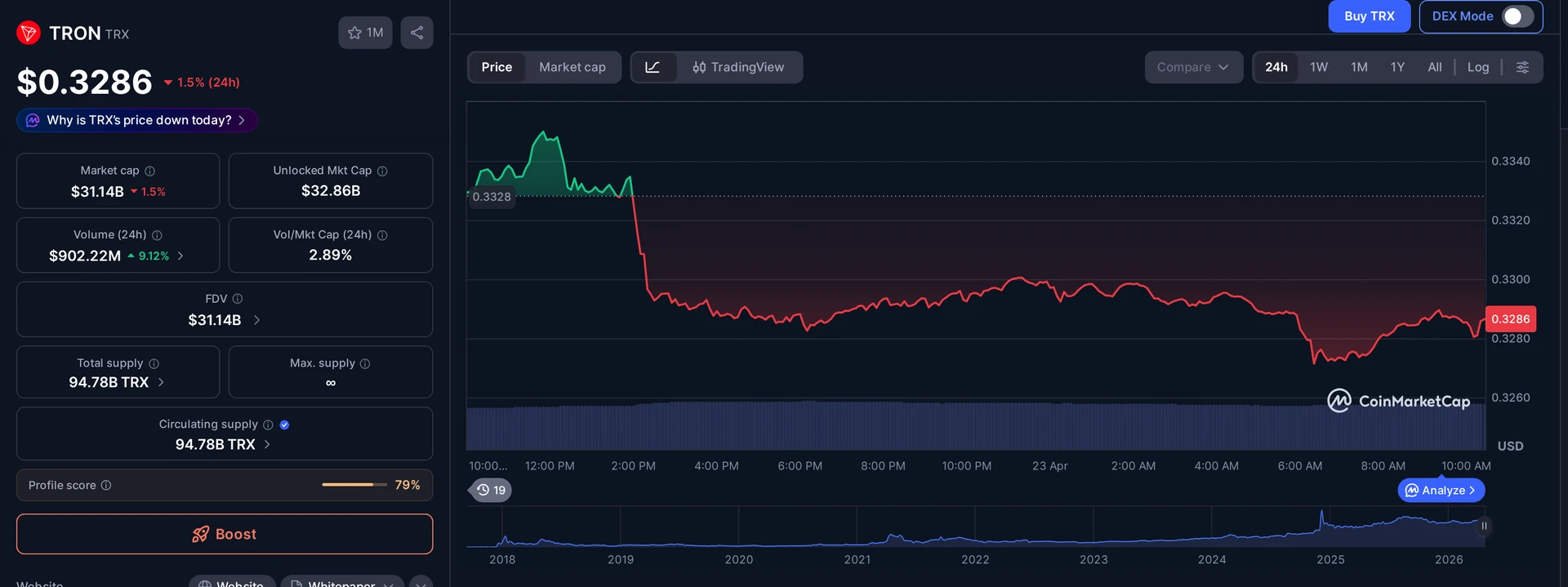
At some point after Sept. 1, 2025, the friendship soured hard. That was the day $WLFI became tradable, and the day the token cratered about 40% within hours. According to Sun’s filing, World Liberty Financial privately blamed him for the crash, accusing him of short-selling perpetual futures on a centralized exchange to drive the price down.
Sun disputes that version of events. His complaint notes his transfers happened hours after the steepest drop, which would make the short-seller theory a tough one to prove in court. If you were trying to crash a token on launch day, you would not wait until after the bleeding had already stopped.
The community vote that paved the way for WLFI token launch passed in the summer of 2025, with World Liberty touting the decision as a milestone for token holders. The Sept. 1 trading debut was supposed to be a coming-out party. Instead it became Exhibit A in a legal war.
- Sept. 1, 2025: $WLFI goes tradable, crashes roughly 40% on day one
- World Liberty allegedly blames Sun for short-selling perps on a centralized exchange
- Sun’s filing: transfers occurred hours after the worst of the drop
- Sun also criticized for a $100 million $TRUMP token purchase from a separate Trump-backed project
Eric Trump’s Banana, Zach Witkoff’s Knife
Eric Trump’s response on X was pure internet. He likened the lawsuit to Maurizio Cattelan’s infamous $6 million duct-taped banana, the conceptual art piece that became a meme for anything expensive and absurd. Then he said he was incredibly proud of the World Liberty team. Classic pivot.
Witkoff went harder. His post accused Sun of unspecified misconduct that forced World Liberty to take action, without explaining what the misconduct actually was. A spokesperson for the firm declined to elaborate when asked, pointing reporters toward Witkoff’s and Trump’s X posts. That is not a legal strategy. That is a press release with hashtags.
The lack of specifics is the most striking part. If you accuse someone of misconduct serious enough to justify freezing a billion dollars in tokens, you generally want the receipts ready. World Liberty has not produced any in public.
The KYC Allegations and the Threat to Call Federal Authorities
Sun’s complaint drops a heavy one: it alleges that on Sept. 25, 2025, a World Liberty executive named Mr. Herro repeatedly threatened to report Sun to U.S. criminal authorities over unspecified know-your-customer issues. Herro and the firm, per the filing, have refused to explain the alleged KYC problems in anything other than the broadest terms, despite repeated requests from Sun’s team for details.
If that allegation holds up, it moves the story from a garden-variety commercial dispute into something much uglier. Threatening to sic federal authorities on a counterparty as a pressure tactic is the kind of thing that gets lawyers disbarred and executives deposed.
The filing also claims World Liberty accused Sun of acting as a straw purchaser for other investors, executing prohibited transfers to HTX and Binance, and submitting inadequate KYC documentation. Sun denies all of it. On the $100 million $TRUMP token purchase, Sun says he got the blessing of a Trump family member who is a partner in both ventures, which would be a hard fact for World Liberty to walk away from in court.
Mr. Herro repeatedly threatened to report Mr. Sun to U.S. criminal authorities over these unspecified KYC issues, which Mr. Herro and World Liberty have refused to explain in anything other than the broadest terms despite repeated requests from Plaintiffs for additional information.
Why Does This Fight Matter for DeFi and for WLFI Holders?
Here is the short answer first: because a politically connected DeFi project just froze a billion dollars in tokens from one of its biggest backers without publicly explaining why. Every other $WLFI holder now knows that is possible. Every future investor in a Trump-branded crypto venture just got a preview of what ‘protecting users’ can look like in practice.
The longer answer is about precedent. World Liberty is one of the most visible Trump-family crypto plays, and it markets itself as a user-first DeFi operation. Freezing four billion tokens is not a small technical action. It is a statement about who really controls the protocol and under what circumstances. Sun’s suit will force that question into open court.
There is also the optics problem. Ten months ago Eric Trump was publicly praising Sun. Sun was one of the firm’s largest token purchasers. Now he is a defendant on X and a plaintiff in federal court. That kind of reversal, without a clear public explanation of what changed, is the part that should make other institutional buyers nervous.
What Happens Next in the WLFI Token Lawsuit?
World Liberty has not yet filed a formal response to Sun’s complaint. Tuesday’s volley on X is not a legal pleading. The firm says it looks forward to getting the case thrown out promptly, which is what every defendant says at this stage, and which rarely predicts what actually happens.
Expect a motion to dismiss from World Liberty, a discovery fight over the KYC allegations and the alleged private accusations, and a very public back-and-forth on X in the meantime. If the case survives dismissal, the discovery phase will be the real story. Emails, Slack messages, and whatever correspondence contains the shifting set of accusations Sun says he received are going to end up in the record.
For now, four billion $WLFI tokens remain frozen. $1 billion in paper value sits in limbo. And a Tron founder who spent years building goodwill with U.S. crypto figures is betting a courthouse in the Northern District of California will get it back for him.
Frequently Asked Questions
What is the Justin Sun World Liberty lawsuit about?
Justin Sun, founder of Tron, filed suit Monday in the Northern District of California accusing World Liberty Financial of illegally freezing roughly four billion $WLFI tokens worth around $1 billion. The complaint alleges fraud, extortion and breach of contract, and says the Trump-backed firm leveled shifting accusations against Sun without evidence.
Why did World Liberty freeze Justin Sun's WLFI tokens?
World Liberty has not publicly stated its specific reasons. Per Sun’s filing, the firm privately blamed him for the 40% $WLFI price crash on Sept. 1, 2025, accused him of acting as a straw purchaser, and cited unspecified KYC documentation problems. Co-founder Zach Witkoff called it misconduct without elaborating.
What happened during the WLFI token launch?
$WLFI became tradable on Sept. 1, 2025, after a community vote approved the launch. The token crashed roughly 40% on its first trading day. World Liberty allegedly blamed Justin Sun for the drop, accusing him of short-selling perpetual futures, though Sun’s transfers occurred hours after the steepest decline.
How did Eric Trump respond to the lawsuit?
Eric Trump posted on X comparing the suit to the $6 million duct-taped banana artwork and said he was incredibly proud of the World Liberty team. The response was informal and offered no specifics on the alleged misconduct, with a company spokesperson declining to elaborate beyond the X posts.
This article is for informational purposes only and does not constitute investment advice. Every investment and trading decision involves risk. Readers should conduct their own research before making any financial decisions.






$1B frozen in WLFI is the real headline here. Curious what contract mechanism they used to freeze Sun’s allocation, was it a multisig veto or something baked into the token terms at launch?
the misconduct counter-claim smells like a pressure tactic after Sun filed first. classic move when you don’t want discovery to go anywhere near your treasury
Seen this play out with Justin before back in the Steem takeover days. He rarely loses these fights outright, usually settles quietly once the headlines cool off and both sides realize litigation kills token price worse than the dispute itself.