







































What to Know
- Alcoa is finalizing the sale of its idle Massena East smelter in upstate New York to bitcoin financial services firm NYDIG.
- The 1,300-acre site has been dormant since 2014 and draws hydropower from the New York Power Authority system.
- Alcoa has flagged ten dormant US smelter sites for divestment as part of a wider shift toward higher-margin operations.
- The transaction mirrors Century Aluminum’s Hawesville sale to TeraWulf, signalling a broader conversion of retired aluminum plants into digital infrastructure.
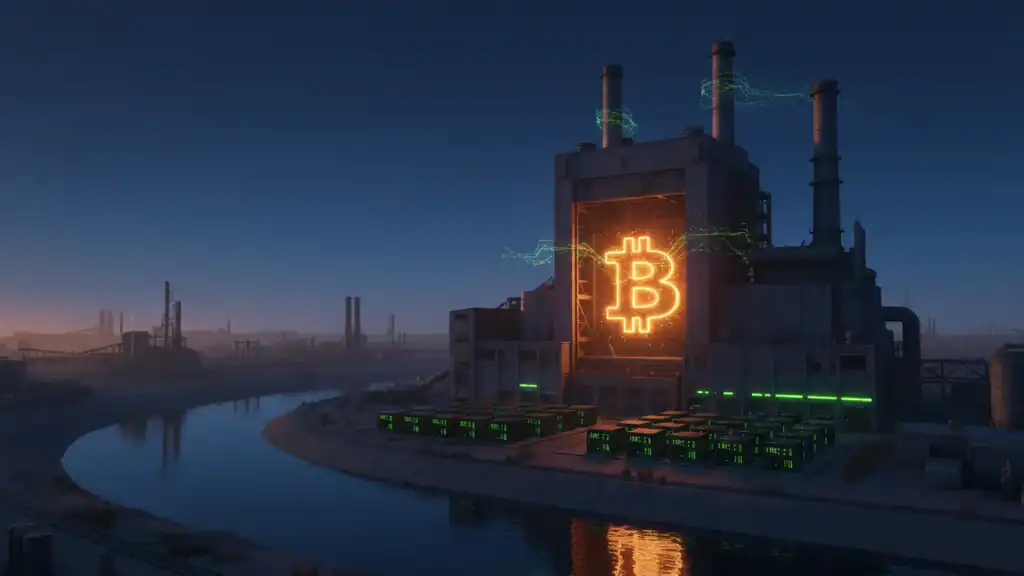
The Alcoa smelter sale is closing in on the finish line. Aluminum giant Alcoa is in advanced talks to hand over its idle Massena East plant in upstate New York to bitcoin mining firm NYDIG, chief executive Bill Oplinger told Bloomberg this week. That quiet sentence carries heavier weight than it looks. A 1,300-acre industrial site that once poured molten metal into the American supply chain is about to become a home for bitcoin miners, and the power lines that fed the furnaces will feed the hash rate instead. Two sides of the deal, both aiming to close in the middle of 2026, see the same asset very differently. One sees a legacy cost. The other sees a power contract with a building attached.
What the Alcoa Smelter Sale Means for Massena East
The Massena East smelter last made aluminum in 2014. High energy costs, cheaper overseas competitors, and a shrinking domestic aluminum base forced the shutdown, and the site has sat largely quiet along the St. Lawrence River ever since. Maintaining a plant that produces nothing is an expensive habit, and Alcoa has decided the habit needs to end.
Oplinger framed the sale as one piece of a much bigger cleanup. The company has tagged ten dormant US smelter sites for potential sale as it pushes capital toward operations with fatter margins and lower overhead. Massena East is the most advanced case in that program, which tells you something about how motivated both parties are to get ink on paper.
Call it pragmatism. An aluminum producer that cannot profitably make aluminum at a given site is, functionally, a real-estate company with very specific tenants in mind. The tenants, in this case, want electricity by the gigawatt. Alcoa has electricity by the gigawatt. The rest is paperwork.
The Massena East property is one of the most advanced cases in our broader divestment program of idle US smelter assets.

What Does NYDIG Actually Get Out of This Deal?
Short answer: power, land, and a head start. The Massena East site draws from the New York Power Authority hydropower system, which is exactly the kind of stable, low-carbon electricity that bitcoin miners spend years hunting for. Aluminum smelters need continuous high-load power, so their grid connections are built to handle loads that would trip a normal data center.
When the smelter closes, those connections usually stay live. That is the prize.
NYDIG, the bitcoin financial services firm affiliated with asset manager Stone Ridge, has spent the last two years methodically buying into industrial-scale mining. It already holds a strategic stake in Coinmint, the operator running rigs on the broader Massena campus under lease arrangements tied to Alcoa’s existing power agreements. Owning the smelter site outright removes the middle layer.
The firm has picked up capacity in North Dakota, South Dakota, Pennsylvania, and Missouri, and has folded in additional mining infrastructure through deals with energy-focused companies. None of those purchases look flashy on their own. Stack them together and a pattern appears: NYDIG is quietly building one of the largest power-anchored mining portfolios in the country.
- 1,300 acres of industrial-zoned land with St. Lawrence River frontage
- Heavy electrical infrastructure built for continuous industrial load
- Direct access to New York Power Authority hydropower
- Operational continuity with existing Coinmint tenants on the wider campus
Hydropower, Bitcoin Mining, and the Reuse Economy
The deeper story here is not one company buying one factory. It is the quiet repurposing of America’s heavy industrial base for digital workloads. Retired smelters, shuttered paper mills, and decommissioned coal plants all share one trait that matters to bitcoin miners: grid connections designed to move enormous amounts of electricity without tripping a breaker.
That is why these sites keep changing hands. A greenfield data center needs years of permitting, transmission upgrades, and substation build-outs before the first rack boots up. A former smelter with live hydropower interconnects can host miners within months. In a market where hash price swings faster than construction timelines, months beat years every time.
The environmental framing is awkward but real. Hydropower-backed mining carries a much lower carbon footprint than gas-fed operations in Texas or coal-backed sites overseas. For NYDIG, which sells bitcoin exposure to institutional clients who track ESG metrics, a Massena-based operation is easier to pitch than a thermal plant in a coal county.
TeraWulf, Century Aluminum, and the Smelter-to-Miner Trend
Alcoa and NYDIG are not the first to run this play. TeraWulf completed a similar transaction with Century Aluminum’s Hawesville, Kentucky smelter, which is being redeveloped into a data center and high-performance computing campus. That deal set a template: sell the steel and the real estate, keep the power contract, and let someone else deal with the hash rate math.
A handful of other retired heavy industrial sites across North America are now in various stages of conversion talks, according to public filings and regional utility disclosures. The pitch is almost identical every time. Secured energy capacity, transmission access, and zoning that already permits 24/7 industrial use beat anything a developer can build from scratch.
What makes the Massena East deal different is scale. The site is among the largest former US aluminum production footprints, and the power arrangements tied to the New York Power Authority are unusually generous compared with market rates in Texas or Georgia. If the transfer closes as expected, it will be one of the largest single-site repurposings from traditional heavy industry into bitcoin infrastructure ever recorded in the United States.
That is the part that should catch policymakers’ attention. Upstate New York has spent a decade watching aluminum jobs leave. A bitcoin mining campus will not replace those jobs one-for-one. But it will keep the lights on, the taxes paid, and the power contracts intact. For a region that has been bracing for full decommissioning, that is a different conversation.
These sites offer large power connections, transmission access, and industrial zoning that suit bitcoin mining and high-performance computing workloads.
What Still Has to Happen Before the Deal Closes
Neither side has released a purchase price, and both parties have been careful to describe the talks as advanced rather than final. The transfer structure under discussion includes ownership of the land, electrical systems, and remaining industrial assets still on the Massena East parcel. A mid-2026 close is the target, subject to final agreements and regulatory steps.
Regulatory review is the wildcard. New York has historically kept a close eye on industrial power allocations, and the New York Power Authority hydropower contracts that make the site attractive are not transferable on autopilot. State officials will want assurances about jobs, tax base, and environmental compliance before signing off on a change of control that converts a legacy aluminum plant into a bitcoin mining campus.
Coinmint, already operating on the broader Massena campus under a long-term lease tied to Alcoa’s power capacity, is the quiet third party here. Its existing arrangements will almost certainly be folded into whatever final structure the lawyers produce, and the company’s miners are unlikely to miss a block.
If the deal falls through, Alcoa is not short of options. Nine other dormant smelter sites still sit on its divestment list, and the playbook for converting them is now public. If it closes on schedule, the Massena East sale becomes the clearest signal yet that America’s old industrial bones and America’s new digital infrastructure are about to share a lot more addresses.
Frequently Asked Questions
What is the Alcoa NYDIG smelter sale?
Alcoa is finalizing the sale of its idle Massena East aluminum smelter in upstate New York to bitcoin financial services firm NYDIG. The 1,300-acre site, closed since 2014, would be converted into a bitcoin mining campus that uses existing New York Power Authority hydropower connections built for aluminum production.
Why does NYDIG want an old aluminum smelter?
Aluminum smelters come with oversized power connections built for continuous heavy industrial load, which is exactly what bitcoin miners need. The Massena East site offers direct hydropower access, industrial zoning, and infrastructure that would otherwise take years to permit and build from scratch, letting NYDIG deploy mining capacity much faster.
When will the Alcoa NYDIG deal close?
Both companies are targeting a close in the middle of 2026, pending final agreements and regulatory review. Ownership of the land, electrical systems, and remaining industrial assets on the Massena East parcel would transfer to NYDIG. No purchase price has been publicly disclosed by either party at this stage.
How does this compare to the TeraWulf Hawesville deal?
Century Aluminum sold its Hawesville, Kentucky smelter to TeraWulf for redevelopment into a data center and computing campus, setting the template for converting retired aluminum plants into digital infrastructure. The Alcoa NYDIG transaction follows the same logic but at a larger scale, given Massena East’s size and hydropower allocation.
This article is for informational purposes only and does not constitute investment advice. Every investment and trading decision involves risk. Readers should conduct their own research before making any financial decisions.
















1,300 acres with existing hydropower hookups is the real story here. Smelters pull massive continuous loads, so the substation capacity is already sized for industrial draw. Curious what the actual MW figure ends up being once NYDIG files with NYISO.
so we’re calling repurposed aluminum plants a bull signal now
nobody is asking why Alcoa walked away from Massena East in the first place. If the power contracts were good enough for mining margins, they’d have been good enough to keep pouring metal. Smells like NYDIG is buying stranded assets at the top of a hashprice cycle.
Massena hydro at NYPA preferential rates is basically the holy grail for North American miners right now. If they can lock in sub 4 cent power at that scale heading into the post halving difficulty grind, this site prints.
Anyone know if the existing union workforce gets retained for the buildout, or is NYDIG bringing their own ops team from the Greenidge playbook?
Reminds me of the Greenidge gas plant conversion back in 2020. Everyone called it genius until the NY moratorium hit and the stock cratered. Hydro is a cleaner story politically, but Albany has a habit of moving the goalposts on miners.