








































What to Know
- HM Treasury will consult on reforms that put stablecoins and bank-issued tokens under one payments rulebook
- Former FCA executive Chris Woolard has been named digital markets champion for the wholesale strategy
- Broader UK crypto legislation is still on track to take effect in 2027, with stablecoin rules arriving first
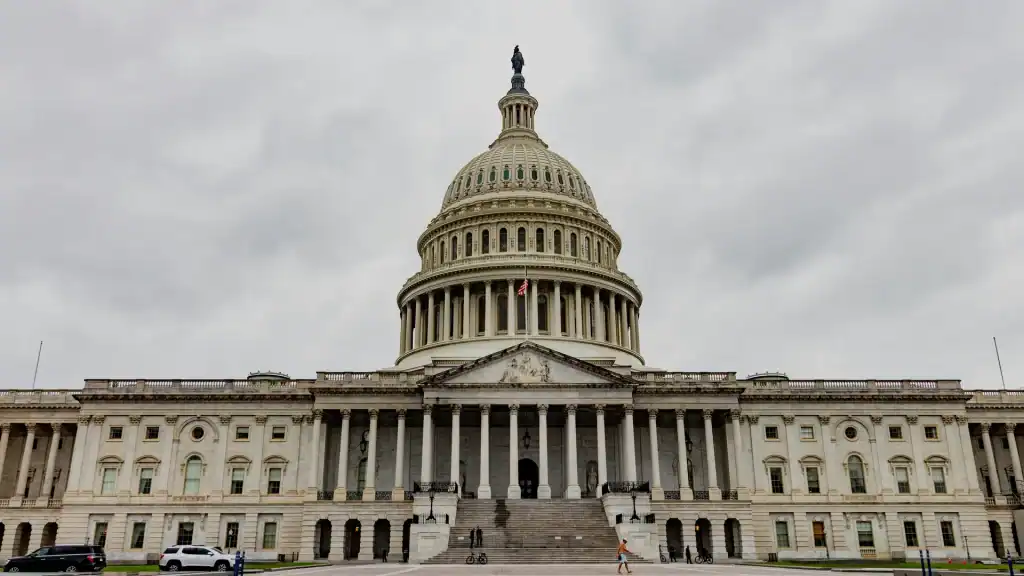
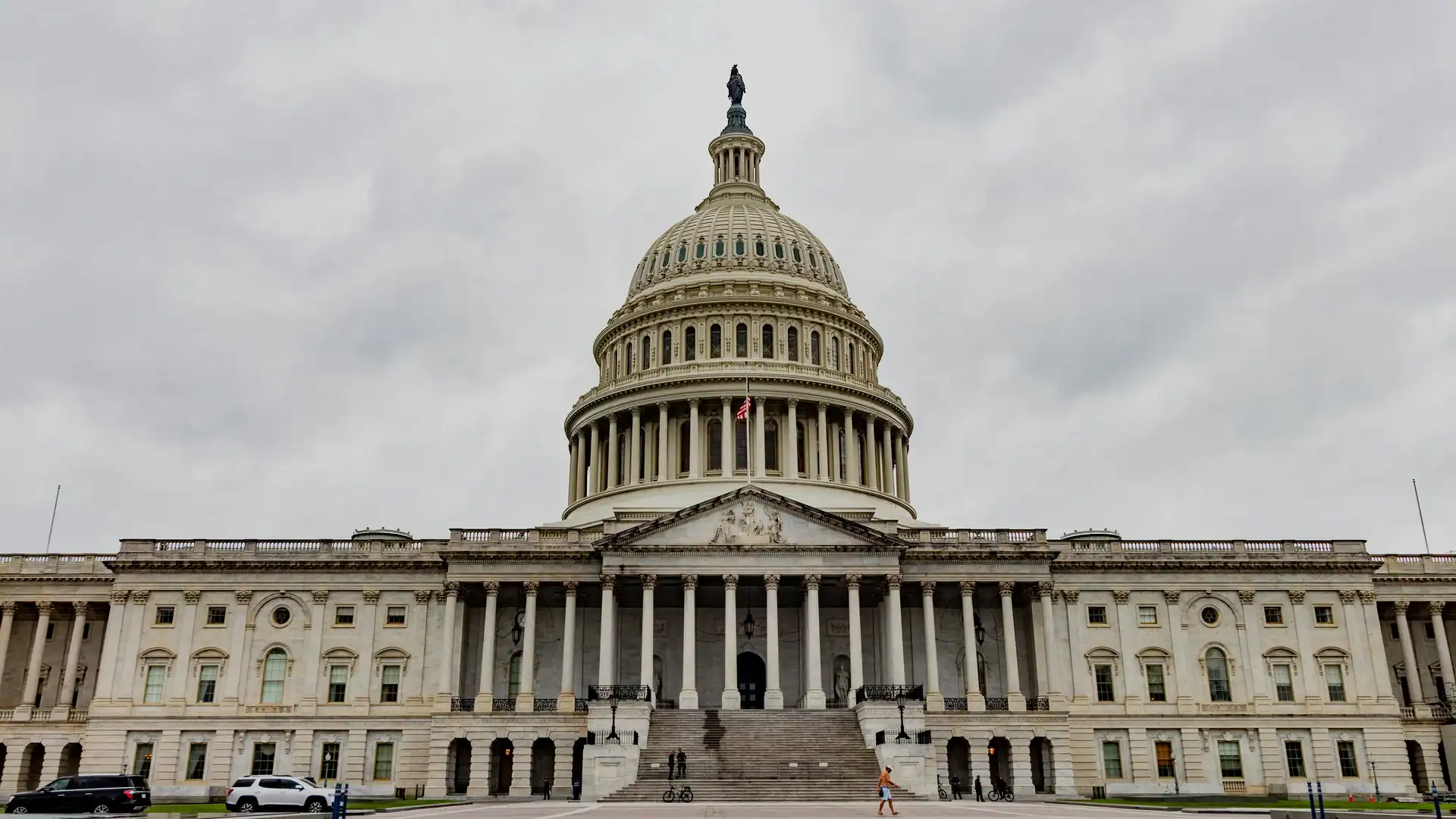
UK stablecoin regulation is about to get a serious rewrite. On Tuesday, HM Treasury said it will consult on sweeping changes to the country’s payment services and electronic money rules, with the goal of pulling stablecoins and tokenised bank deposits into a single framework that sits alongside the pounds, cards and bank transfers people already use. The announcement landed during a London fintech showcase, and it came paired with a marquee appointment meant to signal the government is serious this time.
What Did HM Treasury Actually Announce on Tuesday?
Economic Secretary to the Treasury Lucy Rigby said Britain will consult on reforming its payment services and electronic money rulebooks so traditional payments and tokenised payments live under one regime. Stablecoins and tokenised deposits stop being regulatory afterthoughts. They get treated like any other unit of money moving across rails.
There is also a promise buried lower down in the UK stablecoin regulation package that matters more than the top line. Treasury said it will bring forward legislation to cut the administrative load on firms that want to offer stablecoin payment services. Translation: fewer licensing choke points, less duplication between e-money and crypto regimes, and a clearer on-ramp for issuers that today have to piece together permissions from two different rulebooks.
Rigby framed the pitch in the usual competitiveness language. The UK wants to be, in her words, a world-leading destination for digital assets. That phrase has done a lot of heavy lifting in British fintech announcements over the last three years. This time, at least, there is a concrete deliverable attached: a live consultation on the rules, not just another speech.
This will mean establishing a single, coherent framework for both traditional and tokenised payments, including both stablecoins and tokenised deposits.
Why the Chris Woolard Appointment Is the Real Story
Announcements like this usually ship with a figurehead. In this case, the figurehead has teeth. Chris Woolard, a veteran of the Financial Conduct Authority who briefly served as its interim chief executive, will act as digital markets champion for the government’s Wholesale Financial Markets Digital Strategy.
Woolard is not a ceremonial pick. He ran the FCA’s high-cost credit review, sat on the Bank of England’s Financial Policy Committee discussions and has spent the past few years chairing and advising on exactly the kind of tokenisation work Treasury now wants to accelerate. Putting him in the champion role tells the market that wholesale tokenisation, the bit where banks and asset managers move real money on new rails, is finally getting a named owner rather than being spread thin across three regulators.
He offered the obligatory diplomatic line on the day, but the subtext is sharper: without a single point of accountability, previous UK digital asset strategies drifted. This one has a name attached.
Collaboration and dialogue between the private and public sectors will best support the UK’s global competitiveness as a leader in digital markets.
UK Stablecoin Regulation: Stablecoins Versus Tokenised Deposits
The most underreported line in Tuesday’s package is that stablecoins and tokenised deposits will sit inside the same framework. That looks like tidy policy on the page. In practice, it is the British state quietly picking a side in one of the most important arguments in digital money.
Stablecoins are issued by private firms, usually backed by reserves and redeemable at par. Tokenised deposits are commercial bank liabilities represented on a ledger. Banks prefer the latter, because it keeps them at the center of the payments stack. Fintechs and crypto-native issuers prefer the former, because it cuts banks out. By writing a single rulebook, Treasury is refusing to let either side win by default.
That matters for anyone holding or building on pound-denominated stablecoins today. The consultation will define the reserving rules, the redemption rights, the insolvency treatment and the interoperability requirements that decide whether a private GBP stablecoin can actually compete with a tokenised deposit issued by Lloyds or HSBC. The outcome is worth far more than the press release suggests.
The Bank for International Settlements has already warned this month that dollar stablecoins could strain banking systems and monetary policy in smaller economies. London is reading that memo. A unified framework gives the UK a way to welcome private stablecoins while boxing them inside the same prudential expectations banks face.
- Single rulebook: stablecoins and tokenised deposits treated as peers, not rivals
- Lower admin: promised legislation to shrink paperwork for stablecoin issuers
- Named owner: Chris Woolard accountable for wholesale tokenisation progress
- AI payments: Treasury to study rules for agents that pay on a user’s behalf
Timing, UK Fintech Week and the 2027 Deadline
Treasury timed the drop for UK Fintech Week, the London industry run coordinated by Innovate Finance. That is not an accident. The government needed a room full of fintech founders, bank executives and overseas investors to hear the message in the same week it was written.
The backdrop is the UK’s broader crypto regulatory framework, which remains on track to take full effect in 2027. Payments reform is arriving ahead of that deadline because stablecoins have moved faster than lawmakers expected. Waiting another year would mean watching dollar-denominated tokens hoover up British settlement volume while the pound stablecoin sits in regulatory limbo.
There is also a competitive read. The European Union’s MiCA regime is already live, and US lawmakers pushed a federal stablecoin bill across the line last year. Britain is, bluntly, late. The Tuesday package is an attempt to stop being late without copying either jurisdiction wholesale.
AI Agents, Autonomous Payments and Where Consumer Protection Lands
Tucked into the same announcement is a line about AI agents making payments on behalf of consumers and businesses. Treasury wants to explore how existing payment rules apply when the entity pushing the transaction is not a human. That is a far bigger question than the announcement makes it sound.
Philip Belamant, co-founder of the FCA-authorised credit fintech Zilch, was named among the stakeholders backing the package. He put the stakes plainly in his statement.
If agent-initiated payments are going to work at any meaningful scale, somebody has to answer the hard questions. Who is liable when an AI authorises a bad transaction? How is consent captured? What does chargeback look like when no human clicked the button? The UK is the first major G7 jurisdiction to put that question inside a live payments consultation rather than a policy paper.
AI will fundamentally change how people interact with money. As this becomes a reality, it’s critical that regulation evolves to support innovation while maintaining strong consumer protections.
What It Means for Builders, Banks and Holders
For stablecoin issuers eyeing the UK, the short version is this: the door is opening, and it is opening onto a harder floor than the one MiCA put down in Europe. Lower admin burden, yes. Lighter prudential standards, no. The Treasury is not running a race to the bottom.
For UK banks, the tokenised deposit track is now official policy, not a side experiment. Expect Barclays, HSBC, NatWest and Lloyds to move faster on internal ledger pilots now that the regulatory reward is visible.
For holders of GBP-pegged tokens, the consultation is where the real money is. Watch what it says about redemption rights, bankruptcy remoteness and whether stablecoin balances can be used directly to settle bank payments. Those three details decide whether a pound stablecoin becomes real money or stays a niche settlement chip.
Britain spent three years talking about being a digital asset hub. Tuesday was the first day in a long time that the talk came with a calendar.
Frequently Asked Questions
What is UK stablecoin regulation under the new Treasury plan?
UK stablecoin regulation refers to the payments and electronic money rules HM Treasury is consulting on in 2026. The plan creates a single framework covering traditional payments, stablecoins and tokenised deposits, cutting admin burdens on issuers and preparing the ground for broader crypto legislation expected to take effect in 2027.
Who is Chris Woolard and what is his new role?
Chris Woolard is a former Financial Conduct Authority executive, including a spell as interim chief executive, now appointed by HM Treasury as digital markets champion for the Wholesale Financial Markets Digital Strategy. His job is to push adoption of tokenised digital assets and act as a single named owner for the UK’s wholesale tokenisation work.
How are tokenised deposits different from stablecoins?
Tokenised deposits are commercial bank liabilities represented on a digital ledger, meaning the bank still owes you the money and the deposit sits inside the banking system. Stablecoins are privately issued tokens usually backed by reserves held outside a bank balance sheet. The UK plans to regulate both under one payments rulebook.
When will the new UK payments rules take effect?
HM Treasury has launched a consultation in April 2026 and promised legislation to follow. The wider UK crypto regulatory framework, which the payments package feeds into, is still scheduled to take full effect in 2027. Stablecoin-specific reforms are expected to move ahead of that deadline given market pressure.
This article is for informational purposes only and does not constitute investment advice. Every investment and trading decision involves risk. Readers should conduct their own research before making any financial decisions.
















folding tokenised deposits and stablecoins into one payments regime by 2027 is a big call. does the FCA actually have the headcount to supervise bank-issued tokens and non-bank issuers under the same rulebook, or does PRA end up owning the deposit side anyway?
calling tokenised deposits the same thing as stablecoins is a category error. one sits on a bank balance sheet with deposit insurance, the other is a bearer claim on reserves. lumping them into one payments framework just muddies what holders actually own.
finally some clarity after the DP23/4 back and forth
been watching this since the Kalifa review in 2021 and every timeline slips. 2027 means 2029 in practice, and by then MiCA will already have eaten most of the euro stablecoin flow. UK is always a cycle late on this stuff.