







































What to Know
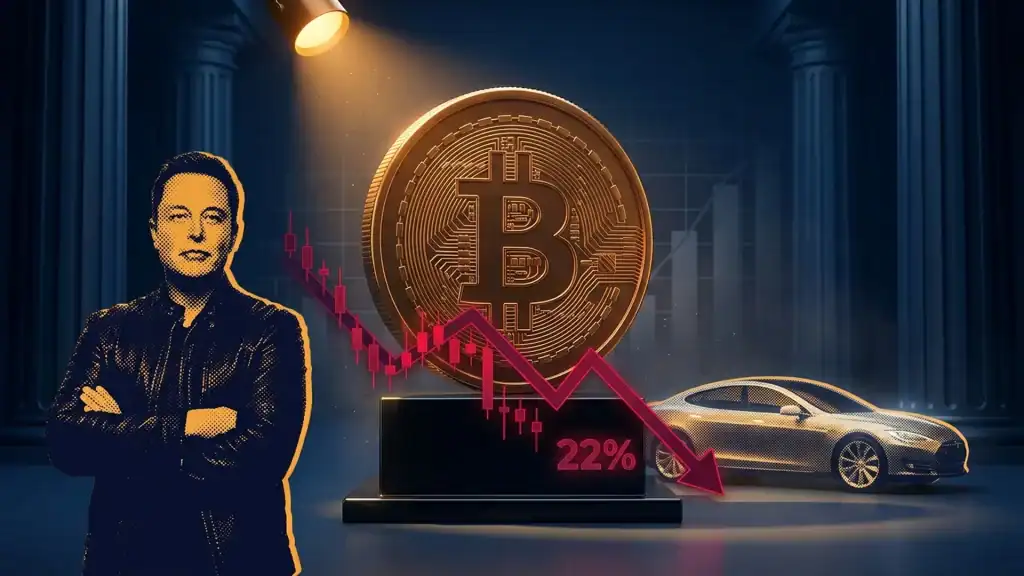
- Tesla held all 11,509 BTC through Q1 2026, refusing to sell into the 22% quarterly price crash.
- The stash fell from roughly $1 billion to $786 million by March 31, then rebounded near $900 million by late April.
- Tesla’s automaker revenue hit $22.38 billion (up 16% YoY), but EV deliveries of 358,023 missed Wall Street estimates.
- The company now ranks 11th among public Bitcoin holders, far behind Strategy’s balance-sheet empire.
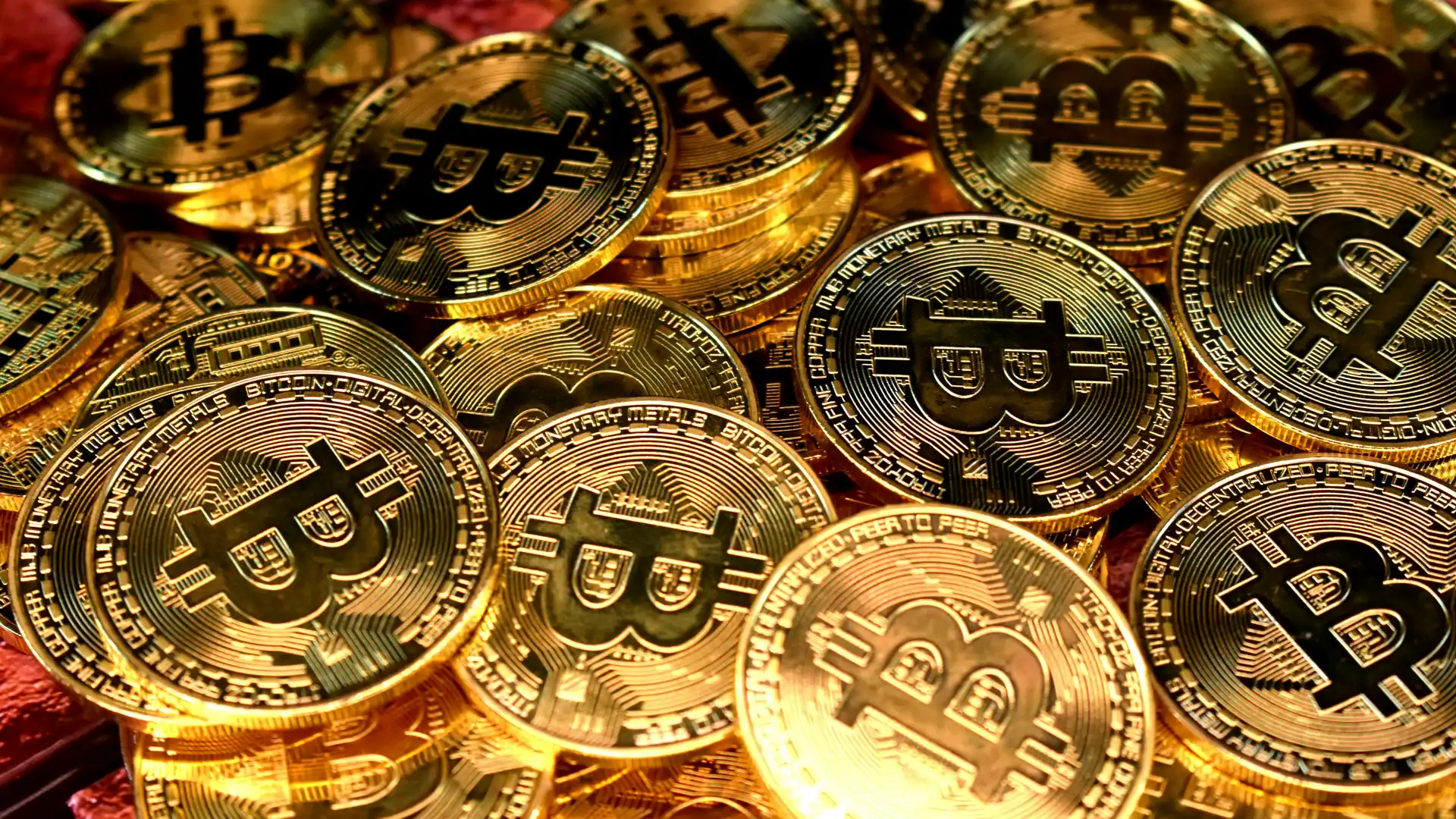
Tesla Bitcoin Q1 2026 holdings survived the worst three months the token has seen in eight years, and Elon Musk did not lift a finger. The electric-vehicle maker confirmed on Wednesday that its 11,509 BTC treasury stayed fully intact through the first quarter, even as the coin lost roughly a fifth of its value and dragged the position from about $1 billion down to $786 million by the end of March. Call it patience, call it indifference, call it Musk being too busy with robots to sign a sell order. Whatever the label, Tesla is no longer trading its bag.
A Stash That Has Not Moved Since January 2025
Tesla’s Bitcoin position has been frozen in place for more than a year. The 11,509 coins on the balance sheet are the leftovers from a far bigger bet, one the company originally placed when it bought 43,200 BTC for $1.5 billion back in February 2021. Most of that hoard, around 75%, got dumped near the 2022 lows in what remains one of the most famously mistimed corporate exits in crypto history.
What is left has sat untouched since January 2025. That period covers Bitcoin’s blistering run past $126,000 in September 2025, the subsequent rollover, and the ugly Q1 2026 drawdown. Tesla did not trim into strength. It did not capitulate into weakness. The coins just sat there, earning nothing, doing nothing, waiting.
Why Did Bitcoin Crash So Hard in Q1 2026?
The short answer: macro broke first, crypto broke next. Bitcoin shed about 22% between January and March, its worst opening three-month stretch since 2018, dragging the token from year-opening highs down through multiple technical support zones along the way. The catalyst stack is familiar, just stacked heavier than usual this time around.
Traders spent January and February pricing in a fresh round of geopolitical tensions alongside a Federal Reserve that refused to blink on rates. Investment products bled cash. Spot ETFs printed negative flow days back to back. Risk appetite evaporated across tech, crypto, and anything with duration. Data from the CME quarterly crypto report framed the quarter as a textbook risk-off rotation rather than a crypto-specific panic.
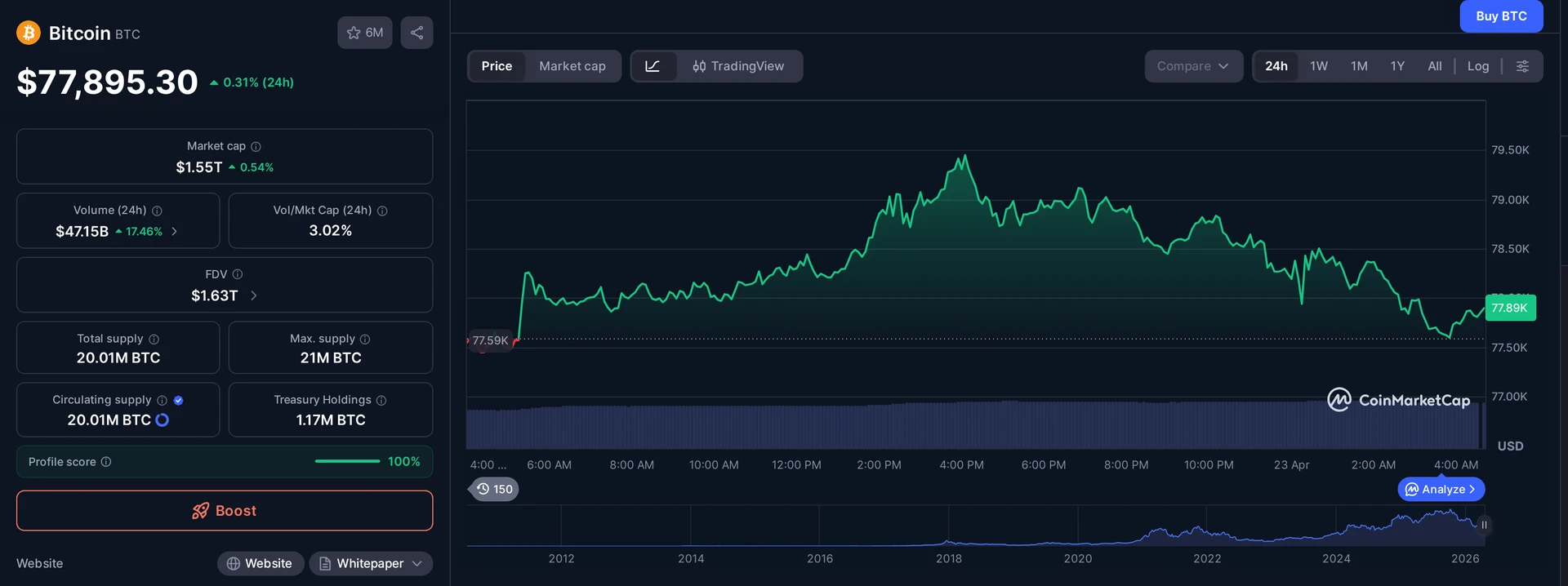
By late April the tape had healed. Bitcoin changed hands around $78,000, dragging Tesla’s mark-to-market position back up to roughly $900 million. A recovery, yes, but one that still leaves the company underwater versus its peak mark last autumn.
The drop was caused by a mix of geopolitical tensions, a hawkish stance from the Federal Reserve, and overall risk-off sentiment, resulting in heavily negative investment product outflows in January and February.
Inside Tesla’s Q1 2026 Earnings Print
Bitcoin was the sideshow. The main event was an earnings report that told two very different stories depending on which line you read first. On the headline numbers, Tesla’s Q1 2026 earnings looked fine: revenue of $22.38 billion, a 16% year-over-year jump, net income of $477 million, and free cash flow of $1.4 billion that beat most desk models on the Street.
Dig one layer below the top line and the picture softens fast. Automotive revenue landed at $16.2 billion, but vehicle deliveries of 358,023 fell short of consensus. Production topped 408,000 units, which means Tesla built more cars than it sold. That is a demand problem, not a supply one.
The company is propping up the quarter with two levers. First, services. Second, Full Self-Driving subscriptions, which the company says crossed 1.28 million active users. Software margins are doing work that the core EV line cannot do on its own right now. That is the real shift in the business model, and it is not a comfortable one for anyone who bought the stock as a pure-play automaker.
- Revenue: $22.38 billion (up 16% YoY)
- Automotive revenue: $16.2 billion
- Net income: $477 million
- Free cash flow: $1.4 billion
- Deliveries: 358,023 vehicles (below consensus)
- Production: 408,000+ units
- FSD subscribers: 1.28 million
Tesla Versus Strategy: Different Playbooks, Different Rankings
Tesla is now the 11th-largest corporate Bitcoin holder on the planet. A year ago that sentence would have read differently. Today it tells you everything about who actually built a treasury thesis and who dabbled. The gap between Tesla’s 11,509 coins and the leader is not measured in thousands of BTC. It is measured in hundreds of thousands.
That leader, of course, is Saylor’s firm. Public Strategy Bitcoin holdings disclosures show a corporate balance sheet built around one asset and one idea: keep stacking, keep issuing debt and equity to buy more, keep repeating. Tesla took a shot in 2021, trimmed the position in 2022, and has done nothing since. Strategy added through every drawdown, including this one.
The contrast matters because corporate treasury Bitcoin is the narrative that refused to die through this quarter’s selloff. Every day a listed company chooses not to sell into a 22% drop is a day the thesis holds another brick in place. Tesla held. Strategy bought. GameStop and a handful of newer entrants did the same. That is the cohort the market is watching now, not the ones who liquidated three years ago.
The Capex Wall Is About To Hit
Here is the part of the story that the Bitcoin headline is partially hiding. Tesla just told investors it plans to spend $25 billion on AI and robotics in 2026. Management guided to negative cash flow in upcoming quarters. That is a heavy bill to carry into a year where EV demand is softening and the company is leaning harder on software to defend margins.
In that context, not selling the Bitcoin reads slightly differently. A $900 million unrealized position is not going to fund a $25 billion capex program on its own. But it is optionality. Liquid, on-balance-sheet optionality that can be tapped whenever the company decides the opportunity cost of holding exceeds the opportunity cost of selling. Right now, Tesla clearly thinks holding wins.
There is also a quieter read. Selling now would lock in a loss versus last autumn’s marks. It would also hand the market a signal that treasury discipline is flexible when earnings pressure rises. Musk’s team chose silence instead. That is the 8-K the SEC got this week: we did nothing, on purpose.
What The Tesla Bitcoin Q1 2026 Hold Signals to the Market
Corporate Bitcoin behaviour during drawdowns is the single most useful sentiment indicator nobody prices properly. When prices fall and treasuries hold, the supply shock thesis stays intact. When prices fall and treasuries sell, the thesis cracks. This quarter, the treasuries held.
The official filing behind all of this, the Tesla Bitcoin Q1 2026 8-K, is the primary document that matters for anyone modelling corporate crypto exposure. It confirms the coin count, confirms the carrying value movement, and confirms zero sell transactions in the period. Plain, boring, and therefore bullish in the way only plain and boring things can be.
The obvious question now is whether the next leg matters more. If Bitcoin reclaims the six-figure handle before year-end, Tesla’s position quietly marks back toward $1.5 billion. If it does not, the $786 million trough becomes a recurring headline every quarter the position underperforms. Either way, the coins are not moving. That much is settled.
Frequently Asked Questions
How many Bitcoin does Tesla own as of Q1 2026?
Tesla owns 11,509 BTC as of the end of Q1 2026. That figure has not changed since January 2025 and was confirmed in the company’s April 23 earnings release. The position was worth roughly $786 million on March 31 and rebounded to around $900 million by late April.
Did Tesla sell any Bitcoin during the Q1 2026 crash?
No. Tesla did not sell any Bitcoin during the first quarter of 2026 despite the token losing about 22% of its value. The company’s 8-K filing with the SEC shows zero sell transactions, keeping the full 11,509-coin position intact through the worst opening quarter for Bitcoin in eight years.
Why did Bitcoin drop 22% in the first quarter of 2026?
Bitcoin fell about 22% in Q1 2026 because of geopolitical tensions, a hawkish Federal Reserve that resisted rate cuts, and broad risk-off sentiment across global markets. Spot crypto investment products saw heavy outflows in January and February, which amplified the selloff and dragged prices through multiple technical support levels.
How does Tesla's Bitcoin position compare to Strategy's?
Tesla ranks 11th among public companies by Bitcoin holdings, while Strategy sits first by a wide margin. Strategy has built its entire corporate identity around accumulating Bitcoin, adding through every drawdown including Q1 2026. Tesla’s 11,509 coins are the leftover of a larger 2021 purchase, with most of it sold in 2022.
This article is for informational purposes only and does not constitute investment advice. Every investment and trading decision involves risk. Readers should conduct their own research before making any financial decisions.












holding 11,509 through a 22% drawdown is either conviction or inertia, depends if Elon tweets this week
The interesting detail here is that Tesla didn’t mark down the position under the new FASB fair value rule, which would have forced a paper loss hitting Q1 earnings directly. Anyone know if they disclosed the impairment treatment in the 10-Q footnotes or just the earnings release?
diamond hands from a car company, who had that on the 2026 bingo card
Remember when MicroStrategy was the only corporate treasury anyone talked about? Tesla sold 75% of their stack back in Q2 2022 near the bottom and everyone wrote the thesis off. Now they’re the steady hand. Cycles rhyme but rarely the way you expect.
Is the 11,509 figure net of the coins they transferred to cold storage last year, or does that include the Coinbase custody portion? The filing language has been inconsistent across quarters.
calling it a selloff when they literally did nothing is a stretch, the market dumped, Tesla sat there, that’s not a story that’s an absence of one