







































What to Know
- $9.25 billion in USDC was minted on the Solana blockchain by Circle in April 2026
- $3.25 billion was issued in a single week, the largest weekly USDC figure on Solana in 2026
- President Trump threatened military action against Iran over the Strait of Hormuz, pushing traders toward stablecoins
- No direct link between the USDC minting and the geopolitical standoff has been officially confirmed
USDC on Solana hit a record monthly mint in April 2026 as Circle issued fresh stablecoin supply. Circle minted 9.25 billion USDC on the Solana blockchain that month, hitting a new milestone for the stablecoin on the fast-growing blockchain. The minting happened as President Donald Trump publicly threatened Iran over the Strait of Hormuz, creating a climate where traders and institutions alike sought the relative safety of dollar-pegged assets. Whether those two events are directly connected is debated, but the timing is hard to ignore.
How Circle Minted 9.25 Billion USDC on Solana in April 2026
Circle issued $9.25 billion USDC on the Solana blockchain across April 2026, making it the largest monthly stablecoin minting total the network had seen. The numbers came out publicly and drew immediate attention from analysts tracking on-chain liquidity. Solana had already been gaining ground as a settlement layer for stablecoins, but this figure put a hard number on just how much dollar-denominated capital was moving through the network.
According to data cited by market trackers, the April total included a single-week burst of $3.25 billion USDC issued on Solana, the highest weekly figure recorded in 2026. That weekly number alone would have been notable. Stacked on top of a month that totaled nearly $9.25 billion, it represents a meaningful shift in how much of USDC’s circulation is running through Solana rather than Ethereum or other chains. Circle USDC Solana 9.25 billion April 2026 data confirmed this was a monthly issuance milestone for the network.
Solana’s technical architecture is part of the explanation. The chain handles high transaction throughput at low cost, which makes it practical for large-scale stablecoin flows. Visa has used Solana for USDC settlement in pilot programs, and broader adoption by fintech players has added legitimate volume to what was once seen primarily as a retail-driven chain.
What Did the USDC Weekly Issuance Record on Solana Mean for Markets?
Why did the weekly record matter to traders and liquidity providers?
The $3.25 billion weekly USDC issuance record on Solana in April 2026 signaled strong dollar liquidity demand on the network. For traders, more USDC on Solana means more capital available to buy Solana-based assets. Higher stablecoin supply on a chain generally leads to more active trading and deeper liquidity pools.
The USDC weekly issuance record Solana 3.25 billion figure drew attention because it suggested demand was not just retail-driven. Large institutional minting events tend to be tied to structured settlement needs, not individual traders moving small amounts. When Circle mints directly onto a chain at that scale, it typically reflects prior agreements or incoming demand that needs to be met in advance.
For Solana’s price outlook, the increased stablecoin supply is generally read as a bullish signal, though the market at the time was described as neutral with limited active exchange flow. More liquidity does not guarantee price appreciation, but it does reduce one of the friction points that can slow rallies. The market was watching whether that liquidity would translate into buying pressure on SOL in May 2026.
US-Iran Tensions and Trump’s Strait of Hormuz Threat Pushed Stablecoin Demand
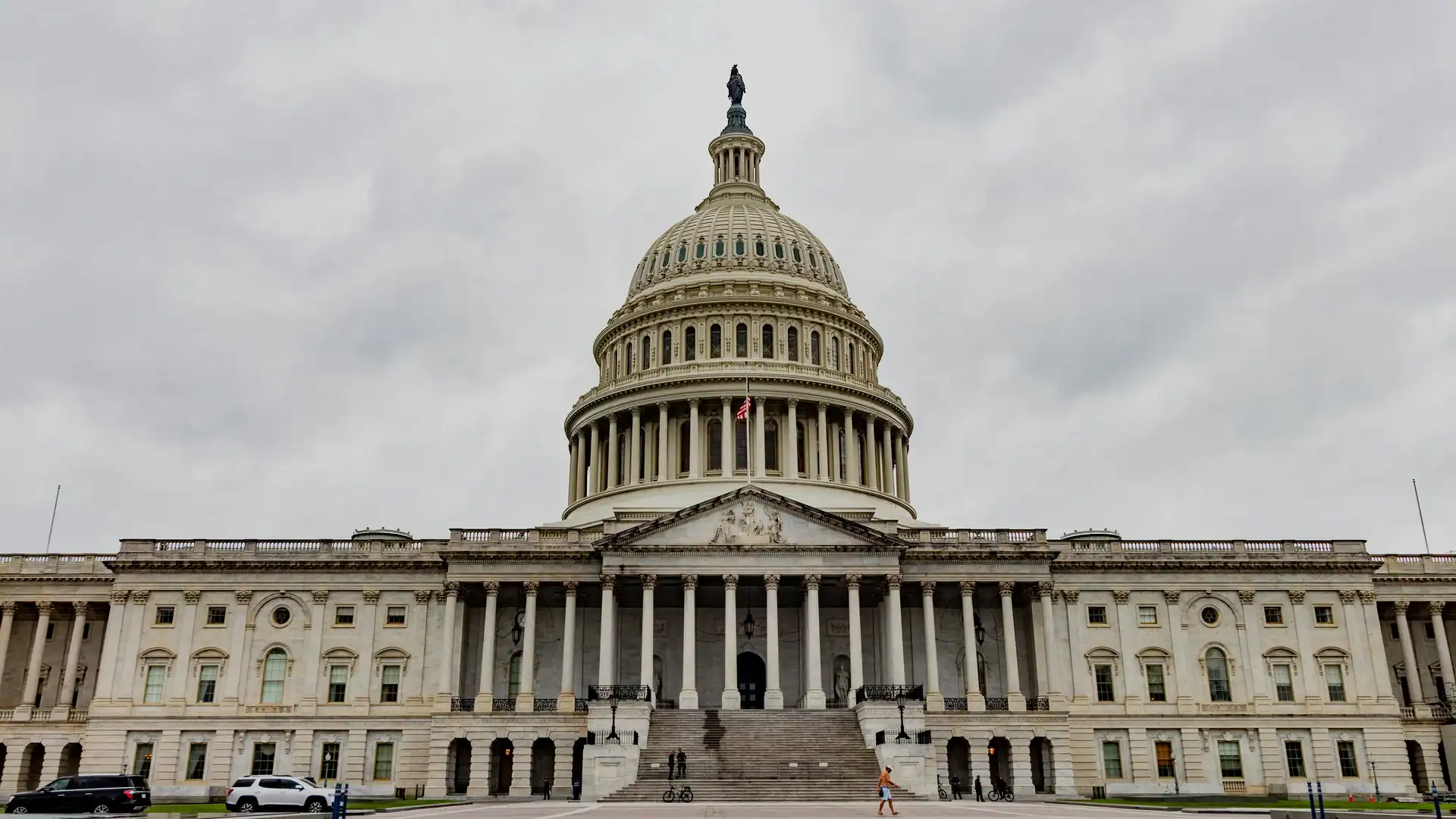
The backdrop for the April minting surge was a sharp escalation in diplomatic and military posturing between the United States and Iran. President Donald Trump publicly warned Iran to open the Strait of Hormuz or face military strikes, a statement that sent ripples through global risk markets. The Strait of Hormuz is one of the world’s most critical oil shipping chokepoints, and any threat to its operations historically triggers volatility across energy and financial markets.
Stablecoins tend to attract capital during periods of geopolitical uncertainty, particularly in markets where converting to traditional dollars is difficult or slow. When equity markets wobble and oil prices spike on war risk, dollar-pegged tokens like USDC offer a fast, accessible alternative for preserving purchasing power without exiting the digital asset space entirely. That dynamic appears to have played out across April as the US-Iran standoff intensified.
According to the Trump Iran Strait of Hormuz blockade 2026 reporting, Trump’s threats included plans to blockade the strait, raising the stakes considerably. No direct causal link between those statements and the USDC minting on Solana has been confirmed. But the overlap in timing and the known behavior of stablecoin demand during risk-off episodes makes the correlation worth examining carefully.
What Comes Next for USDC on Solana?
The big question heading into May 2026 is whether the April minting pace holds. A single month’s data, even a record-setting one, does not establish a sustained trend. If geopolitical tensions ease and risk appetite returns, some of that stablecoin capital could rotate into equities or other assets, reducing the immediate pressure for new USDC issuance.
On the Solana side, the ecosystem continues to attract institutional attention. Announcements from settlement partners and liquidity providers could push weekly issuance figures even higher if adoption deepens. The $3.25 billion weekly record is a ceiling for now, but given the pace of growth, it may not hold that title for long.
Watch for updates from Circle on total USDC supply distribution across chains. If Solana’s share of total USDC circulation keeps rising relative to Ethereum, that tells a structural story about where institutional-grade stablecoin settlement is heading. It also raises questions about whether Solana can maintain the uptime and reliability that large-scale settlement requires, a question the network has faced before after past outages.
Analysts also flagged that any escalation or resolution in the US-Iran standoff would likely move stablecoin demand in short order. A diplomatic breakthrough could reduce the safe-haven bid. A military incident could spike it sharply. Either way, the geopolitical variable is not going away, and stablecoin flows are one of the cleaner real-time signals of how digital asset markets are reacting to it.
- Monitor Circle’s monthly USDC issuance reports for May 2026 data
- Watch Solana Labs and ecosystem partners for settlement volume announcements
- Track US-Iran diplomatic developments as a leading indicator of stablecoin demand
- Follow SOL price action relative to on-chain stablecoin liquidity levels
Why Solana Became the Destination for This USDC Surge
Solana has spent the past two years building a credible case as a serious stablecoin settlement layer. Low fees, sub-second finality, and a growing list of DeFi applications have made the chain attractive for capital that needs to move fast and cheaply. The $9.25 billion April total did not appear out of nowhere. It reflects months of infrastructure development and partnership activity that positioned Solana to absorb large minting events.
Ethereum remains the dominant chain for total USDC supply, but Solana has been eating into that share steadily. The speed advantage matters in volatile markets, where traders need to move stablecoin capital across protocols quickly to capture arbitrage or avoid liquidation risks. Slower, more expensive chains lose out in those scenarios, and Solana has positioned itself to win them.
The Visa partnership, which used Solana for USDC settlement in a pilot program, helped validate the chain for institutional audiences that might otherwise default to Ethereum. That credibility signal carries weight. When a major payments company is willing to route dollar settlements through a chain, it signals that the infrastructure is production-grade, not experimental. That perception shift is probably a bigger factor in the April 2026 minting numbers than any single event or news cycle.
None of this means Solana has won the stablecoin race. Competing chains are building their own cases, and Circle continues to expand USDC across multiple networks. But the April data gives Solana a concrete data point to point to, and that matters in a space where narrative and on-chain evidence reinforce each other.
Frequently Asked Questions
How much USDC did Circle mint on Solana in April 2026?
Circle minted $9.25 billion USDC on the Solana blockchain in April 2026. That total included a single-week record of $3.25 billion, the largest weekly USDC issuance figure on Solana recorded in 2026. The milestone reflected growing institutional and retail demand for dollar-pegged stablecoins on the network.
What is the connection between US-Iran tensions and USDC minting on Solana?
No direct causal link has been confirmed. However, President Trump’s threat to blockade the Strait of Hormuz in April 2026 created risk-off sentiment in global markets. Stablecoins like USDC historically attract capital during geopolitical uncertainty, and the timing of the minting surge aligned with that escalation period.
Why is the Solana weekly USDC issuance record significant?
The $3.25 billion weekly figure is the largest single-week USDC issuance on Solana in 2026. It signals that large-scale, likely institutional, capital is actively routing into the Solana ecosystem. Higher stablecoin supply on a chain generally increases available liquidity for trading Solana-based assets and DeFi activity.
What does Trump's Strait of Hormuz threat mean for crypto markets?
Trump’s warning to Iran over the Strait of Hormuz, a critical global oil shipping lane, raised geopolitical risk levels in April 2026. For crypto markets, such risk events tend to drive capital into dollar-pegged stablecoins as a hedge. Whether that dynamic drove the Solana USDC surge directly remains unconfirmed but plausible.
This article is for informational purposes only and does not constitute investment advice. Every investment and trading decision involves risk. Readers should conduct their own research before making any financial decisions.








3.25B in a single week is wild but the real signal is how fast Solana absorbed it without any meaningful spread blowout on the major DEXs. Jupiter routing barely flinched.
safe haven narrative for a dollar token feels backwards to me. people fleeing geopolitical risk into USD wrapper on a chain that halted twice last year? ok sure
Reminds me of the Tether mints during the 2020 covid panic. Same pattern, different chain. When the printer runs hot, spot usually follows within two weeks.
anyone know the breakdown between treasury rebalancing and actual new issuance here
9.25B in April alone is insane.